Category: Features

Featured posts

  • Feature: An Animal Husbandry Plan for Nigeria

    Feature: An Animal Husbandry Plan for Nigeria

    by Ayo Akinfe

    Given that Tinubu is first and foremost going to be judged by what he does to combat insecurity, I am surprised that he has not unveiled an animal husbandry policy which looks like this

    [1] We have flogged the issue of cattle ranches to death and called for the construction of several mega ones across northern Nigeria. Tinubu has to pledge to send a bill to the National Assembly on day one, making open grazing illegal

    [2] Nigeria’s six biggest states by landmass will each be home to a mega ranch of at least 50,000 square kilometres. Borno, Niger, Taraba, Yobe, Bauchi and Kaduna all have the land to spare for this

    [3] Smaller states will be allowed to operate mini ranches of say 1,000 square kilometres. Oyo, Cross River, Edo, Delta, Ogun and Ondo states for instance can all afford to spare this amount of land

    [4] Research from the US has shown that celebrities such as actor, Harrison Ford, CNN founder, Ted Turner and former talk show host David Letterman, all own private ranches. Back out west side in the US, you can get a decent sized ranch for about $10m. Investors like Alh Aliko Dangote, Femi Otedola, Mike Adenuga Jnr, Folorunsho Alakija, Tony Elumelu, etc should be encouraged to venture into the sector

    [5] These six mega ranches will effectively be mini towns with accompanying veterinary clinics, animal feed compounding plants, leather tanning factories, dairy plants, police stations, technical training colleges, etc

    [6] With nomadism totally outlawed, livestock will only be moved from ranches to market by rail. This will entail building up a national railway network connecting all 774 local government areas in the country

    [7] While all this development is happening, local ranches will be required to furnish the market. I believe that two ranches in each geo-political zone should be sufficient to meet local needs

    [8] Over the long term, the mega ranches of northern Nigeria should be for export needs. Domestic demand can be met by local ranches, allowing the mega facilities to focus on generating something like $50bn in export earnings. Maybe Nigeria has accidentally stumbled on the perfect substitute for crude oil here

    [9] This now raises the question of how many private investors in southern Nigeria have $10m to invest in a cattle ranch? I cannot look any further than our evangelical churches at the moment. I challenge anyone to name me a set of millionaires with deeper pockets than pastorprueners in Nigeria at the moment

    [10] Just imagine the number of jobs this would create, the amount of wealth and tax it would generate and the contribution it would make to Nigerian protein nutrition. Bishop David Oyedepo recently announced plans to build a mega church. I think he should be asked to put such plans on hold as the livestock and ranching matter is more urgent and pressing. I am sure several governors will happily make land available for an Oyedepo Ranch.

  • Feature: What’s the FDI plan has Tinubu shared with Blinken

    Feature: What’s the FDI plan has Tinubu shared with Blinken

    By Ayo Akinfe

    Apparently Tinubu has been speaking with the US Secretary of State Anthony Blinken. I hope they agreed an FDI plan that look’s something like this

    [1] Pre-pandemic in 2019, US foreign direct investment (FDI) worldwide totalled $5.96trn. As the world’s largest black nation and Afriva’s largest economy, Nigeria wool from henceforth attract 10% of all such investment

    [2] Within the US itself, FDI during that period totalled $246bn, with about $125bn of this coming from Japan. The US will press Japan to invest in Nigeria too

    [3] Every industrialised nation worldwide takes FDI very seriously because it opens up new markets for their goods, creates ancillary employment back home and the returns on investment are generally high. From henceforth, the US will strive to ensure Nigeria attracts at least $50bn annually

    [4] Here are the US FDI figures for 2019 before the coronavirus pandemic derailed things. These are the top 10 destinations – Netherlands $860bn, UK $851bn, Luxembourg $766bn, Canada $402bn, Ireland $354bn, Singapore $287bn, Bermuda $262bn, Switzerland $228bn, Australia $162bn, Germany $148bn

    [5] One striking feature is that the investments in places like Luxembourg, Singapore, Bermuda and Switzerland are in financial services. Now, Nigerian interest rates are very high, so we are actually a very sound location for pension and investment funds to lodge their cash

    [6] If you look at US investment in China, in 2019 it was $116bn and for Mexico it was $100bn. For Brazil it was $81bn, while for India it was $45bn. In all these nations, the investment was mainly in manufacturing and heavy industry

    [7] Given the chronic lack of manufacturing capacity in Nigeria today, we desperately need FDI in heavy industry. If we can attract the kind of US investment we are seeing in Brazil, Mexico and India, we will be home and dry

    [8] With the Covid-19 pandemic, many US companies are relocating from China as they have come to the conclusion that planting all your eggs in one basket is dangerous. If you look at all the main industrial capital investments, they go to populous nations like China, India, Brazil, Mexico, etc. It is the Nigerian president’s job to tell the rest of the world that it is unacceptable for Nigeria not to be on that list

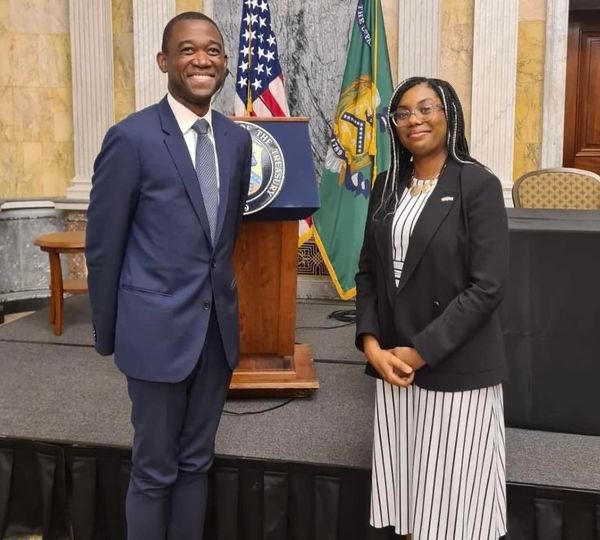
    [9] As part of his role as US deputy treasury secretary, Wale Adeyemo will oversee FDI globally. It is the job of the Nigerian government to put a case before his office. I cannot believe that Bola Tinubu has not already rung him

    [10] As things stand, Nigeria needs FDI or we die. Without it, we will have more terrorism, more out is school children, my Almajiris, more poverty, more dilapidated infrastructure, more corruption, etc. When US yearly investment in India alone is about twice the size of Nigeria’s annual budget, it is delusional to think we can diversify our economy without FDI.

  • Feature: New Power Plants that can change the Electricity supply of Nigeria

    Feature: New Power Plants that can change the Electricity supply of Nigeria

    If Nigeria were a serious nation we would all be insisting that Bola Tinubu guarantees to construct all these power plants within four years of assuming office

    Ayo Akinfe

    [1] Lokoja hydro-electric plant (Kogi) – 10,000MW

    [2] Idah hydro-electric power plant (Kogi) – 5,000MW

    [3] Yola hydro-electric power plant (Adamawa) – 5,000MW

    [4] Bonny gas-fired power plant (Rivers) – 5,000MW

    [5] Ikot-Abasi gas-fired power plant (Akwa Ibom) – 5,000MW

    [6] Shinkafi solar power plant (Zamfara) – 1,000MW

    [7] Gubio solar plant (Borno) – 1,000MW
    [8] Badagry wind power plant (Lagos) – 1,000MW

    [9] Ikot-Nakanda wind power plant (Cross River) – 1,000MW

    [10] Daura solar-powered plant (Katsina) – 1,000MW

    Total – 35,000MW

    Now if we add this to the current 5,000MW, that 40,000MW should last us for the next 10 to 15 years, then it is time to start building more. States should be allowed to augment these plants with micro ones.

    Our problem is just a lack of vision. To generate, distribute and transmit 35,000MW will cost us around $40bn. Now with an annual budget of about $30bn, we are not even scratching the surface, so as you can see, we need a five year plan that involves a combination of government investment, private capital and loans.

    Look at what is happening elsewhere:

    [1] China’s Three Gorges Dam – 22,500MW
    [2] Brazil’s Itaipu Dam – 14,000MW
    [3] China’s Xiluodu Plant – 13,860MW
    [4] Venezuela’s Guri hydro-power plant – 10,235MW
    [5] Brazil’s Tucuruí plant – 8,370MW
    [6] Brazil’s Belo Monte plant – 8,176MW

  • Feature: Saving Nigeria’s Manufacturing Industry

    Feature: Saving Nigeria’s Manufacturing Industry

    By Elvis Eromosele 

    The manufacturing industry is crucial to a nation’s economy. It plays a significant role in generating employment, increasing productivity, and driving economic growth. In Nigeria, the manufacturing industry is a critical sector that contributes significantly to the country’s gross domestic product (GDP) through job creation, wealth creation, and increased tax revenue for the government. 

    It has equally been identified as a key sector in the nation’s quest for diversification away from oil dependency. It can enable a country to reduce its reliance on imports, improve its trade balance, and increase its overall competitiveness. Manufacturing is almost all things good. 

    Unfortunately, the nation’s manufacturing industry has long struggled with a host of challenges that have prevented it from achieving its full potential. Some of these challenges have intensified in the last decade. 

    Today, one of the biggest obstacles facing Nigerian manufacturers is the lack of reliable infrastructure. Power shortages, poor road networks, and limited access to ports and airports make it difficult for companies to move goods and raw materials around, in and out of the country. This leads to higher costs, longer lead times, and reduced competitiveness. While the General Buhari administration has invested in rail, there is still no horizontal rail in the country. There is no single track connecting the west to the east, not in the south or north.

    Another major challenge is the difficulty in accessing finance. Many Nigerian manufacturers struggle to obtain the capital they need to invest in new equipment, upgrade facilities, or expand their operations. This is partly due to the high cost of borrowing, as well as the reluctance of banks to lend to the manufacturing sector due to perceived risks. 

    Closely related is the volatility of the foreign exchange market, difficulty in accessing forex and currency depreciation. To understand the devastating impact of this issue, consider this: Unilever, one of the oldest surviving fast-moving consumer goods (FMCG) companies, is cutting down production in Nigeria which may lead to the demise of otherwise popular brands such as Sunlight, Omo, Closeup, LifeBuoy, Vaseline, Dove, or Knorr. 

    According to news reports, the firm, which is one hundred years old in Nigeria this year, cites the naira’s continued devaluation, a high rate of exchange for the US dollar, and a chronic cash crunch as reasons for its decision. There is no prize for guessing that jobs have been and will be lost. Unilever has joined the growing list of companies scaling down or else shutting down operations in Nigeria. 

    Skilled labour is also in short supply, with many manufacturers struggling to find workers with the necessary technical expertise. This is partly due to the poor state of the country’s education system, which fails to provide young people with the skills they need to succeed in the modern workplace. As a result, many manufacturers have to rely on expensive expatriate labour, further increasing their costs.

    The manufacturing industry, like other sectors, has also had to contend with rising taxes and levies. In the last decade Value Added Tax (VAT), excise duty, utility tariff and petrol all rose significantly. Now the President Buhari’s administration has gone ahead and introduced, what Taiwo Oyedele, Tax Expert, PWC, called a parting tax gift via the new Fiscal Policy Measures (FPM) for 2023 through a Circular dated 20 April 2023 signed by the Minister of Finance, Budget and National Planning.

    Under the new FPM, Revised Excise Duty Rates – additional excise taxes ranging from 20 per cent to 100 per cent increases on previously approved rates for alcoholic beverages, tobacco, wines and spirits have been introduced effective from 1 June 2023. while the excise duty rate on non-alcoholic beverages is retained at the rate of N10 per litre.

    There is also now Green Taxes. The introduction of a Green Tax by way of excise duty on Single Use Plastics (SUPs) including plastic containers, films and bags at the rate of 10 per cent. 

    This excise duty increment is baffling. Is the government eager to run the brewing sector out of business and boost unemployment? The whole manufacturing sector is on life support as we speak, tax increases should be the last item on the table. 

    Furthermore, Nigerian manufacturers also face intense competition from cheaper imports, particularly from Asia. This puts pressure on local producers to keep their prices low, even as they struggle with high costs and limited resources. It is a sad picture. 

    Despite these challenges, there are several steps that Nigerian manufacturers and the government can take to improve their prospects:

    The government can intervene by providing foreign exchange to manufacturers at preferential rates or through the targeted allocation of forex to manufacturers that import raw materials and equipment. This will help reduce the cost of production and improve the competitiveness of local manufacturers. 

    The government can also improve the ease of doing business by reducing the bureaucratic bottlenecks that hamper manufacturing activities in Nigeria. This can be achieved by simplifying registration processes, reducing the time it takes to obtain licenses and permits, and improving access to credit. It includes addressing the inefficiencies at ports and customs by implementing reforms that improve cargo clearance processes, reduce corruption, and enhance the transparency of operations. This will reduce the cost and time associated with importing raw materials and exporting finished products, and improve the overall efficiency of the manufacturing sector.

    The government can, in addition, invest in critical infrastructure such as power, transportation, and telecommunications, which are essential for manufacturing activities. This will help reduce the cost of doing business and improve the efficiency of operations. It must equally look to invest in, begin and complete a west-east rail line. 

    The government can also invest in research and development (R&D) to encourage innovation and improve the quality of locally produced goods. This can be achieved through partnerships with universities and research institutions, and the establishment of government-backed R&D programs.

    Moreover, good corporate governance practices can help manufacturers remain sustainable by improving transparency, accountability, and risk management. Manufacturers can establish effective board structures, implement strong ethical standards, and prioritize stakeholder engagement. They can also adopt sustainability reporting frameworks to demonstrate their commitment to environmental, social, and governance (ESG) practices.

    To improve access to finance manufacturers can explore various financing options such as equity financing, debt financing, and alternative financing such as crowdfunding. 

    Capacity building is essential for manufacturers to remain competitive and sustainable. Manufacturers can invest in training programs for their staff, adopt best practices from other industries, and collaborate with universities and research institutions to develop new technologies and improve their product offerings. Manufacturers need to work closely with universities and vocational schools to ensure that young people are equipped with the skills they need to succeed in the industry. This can help address the skills gap and reduce reliance on expensive expatriate labour.

    Finally, policymakers can play a role in supporting the sector by providing incentives for local production, such as tax breaks or preferential treatment in government procurement. This can help level the playing field and make it easier for local manufacturers to compete with imports.

    The government must be deliberate if it truly wants to create an enabling environment for the manufacturing sector to thrive and contribute to the overall development of the Nigerian economy. And it must begin immediately. 

    Elvis Eromosele, a Corporate Communication professional and public affairs analyst lives in Lagos.

  • Feature: Nigerian Ambassadors should be given FDI targets

    Feature: Nigerian Ambassadors should be given FDI targets

    by Ayo Akinfe

    If we are serious about getting out of our economic rut, incoming ambassadors need to be given foreign direct investment targets which must be met unfailingly

    [1] No matter how you look at it, Nigeria has no choice other than to attract foreign direct investment (FDI) if she wants to expand and diversify her economy

    [2] In 2022, total FDI into Nigeria only added up to a paltry $3.3bn, according to the World Bank. Even at its all-time high in 2008, Nigerian FDI only totalled $4.7bn

    [3] Last year, as many as 32 of Nigeria’s 36 states did not attract one dollar in foreign direct investment (FDI) during the first quarter of 2022

    [4] According to the National Bureau of Statistics (NBS), only Lagos, Oyo, Katsina and Anambra and the Federal Capital Territory (FCT) attracted any FDI during the first three months of 2022

    [5] According to the NBS’ Nigeria’s capital importation, the total value of capital imported into Nigeria in the first quarter of 2022 stood at $1.6bn, compared with $2.2bn in the preceding quarter

    [6] Basically, in too many sectors and too many states, Nigeria is not attracting the required capital to get going. With no FDI, ho do you create jobs?

    [7] However you look at it, this needs to become an urgent priority. Every ambassador and high commissioner needs to be given a stringent FDI target that must be met. In the private sector, managers, reps, salespeople, etc all have to meet targets set for them

    [8] If any ambassador or high commissioner does not meet his target, he or she should be recalled after a year

    [9] Envoys to G7 nations should be made to put together entire FDI directorates with a desk in each sector of the economy/agriculture, manufacturing, power supply, railways, healthcare, sports, education, housing, etc

    [10] Just to see how far we are lagging behind, check out the top global 10 FDI destinations for 2021:

    [1] US – $4.97trn
    [2] Netherlands – $4.33trn
    [3] China – $3.57trn
    [4] Luxembourg- $3.33trn
    [5] UK- $2.61trn
    [6] Hong Kong – $1.91trn
    [7] Singapore- $1.79trn
    [8] Ireland- $1.36trn
    [9] Switzerland – $1.2trn
    [10] Germany – $1.1trn

  • Feature: Tinubu should engage UK-Nigerian Top Executives

    Feature: Tinubu should engage UK-Nigerian Top Executives

    by Ayo Akinfe

    I am surprised that despite all his foreign travels Tinubu has not held private meetings with either Kemi Badenoch or Wale Adeyemo to discuss the vexed matter of FDI

    [1] Unprecedented problems require unprecedented solutions. When you are faced with challenges that look insurmountable, that is when it is time to think outside the box sand do the unthinkable. I hope Bola Tinubu realise that this is the position in which he finds himself

    [2] We all admire men like Martin Luther King, Nelson Mandela, Obafemi Awolowo, Kwame Nkrumah, etc but forget that when they originally came up with their ideas, they were scoffed at. Everyone thought Awo was mad to build a TV station in Ibadan when most European nations did not have one and nobody believed that the Akossombo Dam would work, supplying power to both Ghana and Burkina Faso. In the 60s, everyone thought electing black presidents in the US and South Africa was sheer madness. All this, however, came to pass because the men behind the ideas never gave up

    [3] Now, Nigeria has a unique problem of having a population of 200m, being a mono economy, only generating a paltry gross domestic product (GDP) of about $400bn and her annual budget is a lousy $30bn. Simply put, the figures do not add up, so something radical is required

    [4] Now that we have held presidential elections, I want to introduce a new lexicon to our vocabulary. I have called it Forced Direct Investment (Fodi). It is the only way to diversify our economy, attract the required capital to build industries, develop our infrastructure and stop this crazy dependence on the proceeds of crude oil exports

    [5] Nigeria is not attracting enough foreign direct investment (FDI) so maybe it is time to force the pace of development. As a starting point, Tinubu should meet with the British trade secretary and the deputy US treasury secretary to see if they can as a first step drum up some emergency investment

    [6] I can summarise Nigeria’s problem in one sentence – We are not attracting enough FDI into our economy! Now, we can shout corruption as much as we like but unless we attract capital, we will not be able to expand our economy of fix our infrastructure. Our $30bn budget simply cannot cover one tenth of the needed requirements

    [7] What we need is a radical Fodi programme that will compel multinationals to invest say 5% of all FDI in Africa. Can someone tell me why this is not enforceable? For decades, African nations have been forced to adopt IMF/World Bank economics, is it not time we turn the tables and say, hey, we no longer want your aid. What we want is trade, investment, technology transfer and manufacturing capacity

    [8] I think this Fodi policy should also be backed with an aggressive domestic variants. Vladimir Putin has the one thing similar to this. He calls all the oligarchs into the Kremlin and tells them point blank: “We want to build a new power plant, submarine and shipping port. It will cost $20bn and you guys will fund it.” Those who do not play ball get their assets seized and as we know with Putin, some have been jailed

    [9] Now, Nigeria basically, needs a combination of a foreign Fodi policy and a domestic one to force the pace of development. Waiting for investors to come round in their own time, at their own pace and when all the conditions are right is a recipe for hunger. We may have all starved by the time they get round to doing this

    [10] Now, who has the guts to force this issue? What our new president-elect needs to do is sell the policy to other African leaders first. If he can get maybe President Ramaphosa on board, then yes, I think the policy has great potential.

  • Feature: Governors of Delta and Anambra States can take lesson from Istanbul

    Feature: Governors of Delta and Anambra States can take lesson from Istanbul

    By Ayo Akinfe

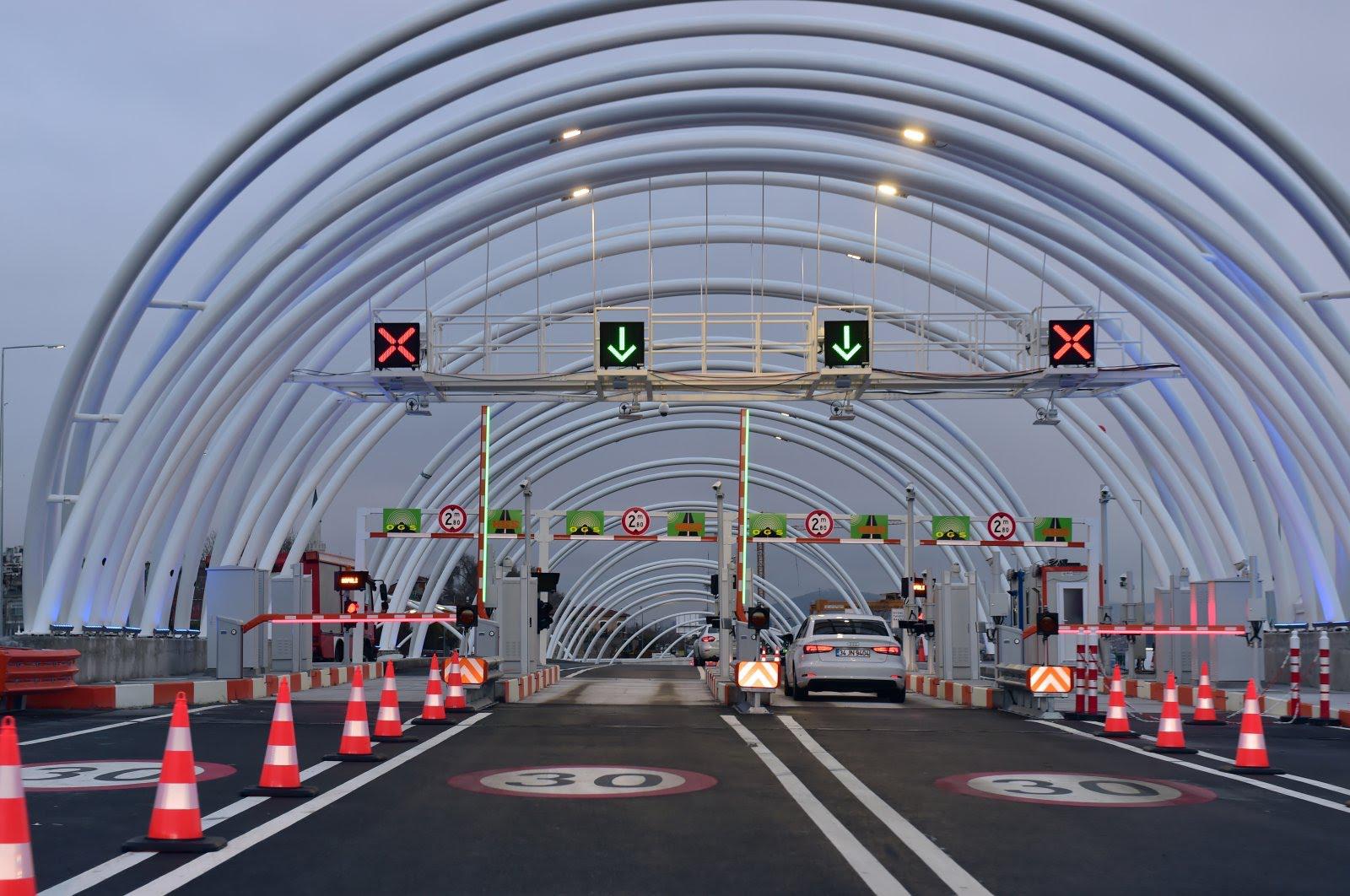
    Can the governors of Anambra and Delta states please visit Istanbul to see how the Turks are building tunnels under the Straits of Bosporus and replicate it on the River Niger.

    [1] While we are celebrating the second River Niger bridge, do my people know they Turkey is about to construct the third tunnel connecting the European and Asian sides of Istanbul, officially named the Great Istanbul Tunnel by the government

    [2] This new tunnel will be put into service in 2028. It will have the capacity to serve 1.3m passengers on a daily basis

    [3] Revered as where Europe meets Asia, the Bosporus Straits is wider than our River Niger crossing but the Turks are light years ahead of us when it comes to linking up. This latest tunnel is the third following the Marmaray and Eurasia Tunnels

    [4] Nigeria should be ashamed about the fact that not only does she not have one tunnel under the River Niger Asaba-Onitsha crossing but neither does she have one railway link across it. Can we not see what the Turks are doing in Istanbul?

    [5] This latest Great Istanbul Tunnel will be a high-capacity rail metro that will span a total length of 28km and will consist of 13 stations

    [6] This network will have the capacity to serve 70,000 passengers per hour in one direction. Just imagine if we had that in Asaba-Onitsha

    [7] This latest Istanbul tunnel will integrate with 11 other railways and would also enable the Metrobus line, which is considered a backbone of the transportation system in Istanbul, to operate at optimal capacity

    [8] Turkey financed at least one of its tunnels using Islamic finance. Nothing stops the governors of Anambra and Delta States applying for a similar loan facility

    [9] I take the view that the state governments are in a better position to build River Niger crossings than the federal government. They will easily recoup whatever money is spent on the projects through the levying of tolls

    [10] I for one am actually surprised that the Anambra and Delta state governments have not already formed a holding corporation called the River Niger Crossing Company. It should be charged with building and maintaining crossings across the river

  • Feature: A National Steel plan for Nigeria

    Feature: A National Steel plan for Nigeria

    by Ayo Akinfe

    Under no circumstances should Bola Tinubu assume office on May 29 without first getting his party to adopt a national steel plan that looks something like this-

    [1] Set Nigeria an annual target of producing 35m tonnes of steel. This will match Brazilian output and put us on the same trajectory as sister developing nations like Mexico, Iran, Taiwan, South Korea and Vietnam

    [2] Announce a radical scrap metal collection programme. This will involve using all the money collected from corrupt officials to buy scrap metal. Maybe call it the Industrial Trader Metal Money Programme

    [3] Any local government that hands in up to 100 tonnes of scrap metal a year should get a federally-funded technical college located within its domain to train its youth

    [4] Get the Russian steel giant Severstal to buy Ajaokuta and get it working. No excuses here please. Severstal Russian Steel is a leading international producer that ran plants in North America. If they can run steel mills in Russia, the US, India, etc, they can run Ajaokuta easily

    [5] Severstal alone produces about 12m tonnes of steel in Russia, so I fail to see why we should not give them a similar target in Nigeria. In 2014, Severstal sold its North American plants for $2.3bn. If they invest that money in Ajaokuta, they will turn it into a modern and highly productive facility

    [6] I would then sell Aladja to India’s Tata Steel. This is another global giant. In India, Tata Steel face challenges just as daunting as we do in Nigeria but manage to forge ahead. Tata recently she’d 3,000 jobs across its European operations. We should be wooing them to Nigeria pointing out that our labour is far cheaper

    [7] We should woo car assembly plants with the promise that all the steel they need will be provided locally. Any company that creates in excess of 5,000 jobs should get an adjoining steel plant built on its facility in which the federal government will take a 25% stake. An agreement guaranteeing this should be sent to every automobile manufacturer this year

    [8] Every one of our 774 local government areas must have at least one technical college where steel is a course. We need to make the point loud and clear that we will never get out of poverty unless we manufacture and you cannot manufacture without steel

    [9] All our mega evangelical churches should be encouraged to open metal collection points and steel furnaces. They should be given tax rebates if they do this. We can create the title of Steel Pastor for those who excel

    [10] Fulani cattle herdsmen who insist on living nomadic lifestyles should be encouraged to go around the country collecting scrap metal. They should be provided with metal bins in exchange for their AK47s and livestock and asked to clear Nigeria of every abandoned vehicle and metal object

  • Feature: Strengthening Nigeria’s Distribution System to Transform the Digital Economy

    Feature: Strengthening Nigeria’s Distribution System to Transform the Digital Economy

    By Elvis Eromosele 

    Recently, I had the task of sending prescription glasses in a case to Benin City. After considering all the available options, it became clear that taking it to a park and paying one thousand naira was the best way to get it delivered, on the same day. It was cost-effective, and timely and ensured that I met my goal. 

    I spoke to a driver, he very reluctantly revealed that he made, on average, N12, 000.00 daily, from, “help me deliver this”. Imagine this: one driver in one park makes an average of N12, 000.00 daily. Multiply this by the number of drivers in that one park, over 50 times the number of interstate transport parks across Lagos and then across the country. We’ll be talking billions of naira monthly boosting the informal sector (we should talk about this soon).

    Now imagine the various types of commodities that are packaged and transported through this process. The potential is immense. The opportunity is boundless. 

    I suspect that the park drivers may have effectively taken the market from formal courier service providers. So, while courier firms are battling with the federal government (through the regulator, NIPOST), the market is whittling away. This is the definition of disruption. 

    At the core of distribution is transportation. As more and more people, especially young people, take their businesses online the need for an effective distribution system grows. Horses for courses. This is essential if goods must get to the hands of the final consumer. This is where the money will be made. 

    The government talks about growing the digital economy, creating jobs and improving the ease of doing business. It must now back up the talk with real-life and real-time support for the distribution and logistics sector. It is a sector that holds tremendous opportunities for socioeconomic transformation. 

    It’s not only individuals that need functional distribution systems. Multinationals, public corporations and in fact, everyone needs to deliver something somewhere at some time. 

    The system that makes this work effectively cannot remain haphazard and disjointed. It cannot depend exclusively on “help me deliver this”. It needs the power of synergy and coordination. It requires structure and organisation. It must be nourished and harnessed. 

    In today’s digital economy, distribution and logistics are crucial to ensuring that goods and services are delivered to customers quickly and efficiently. You will agree with me that the rise of e-commerce has fundamentally changed the way we buy and sell products, and this has led to a greater need for effective distribution and logistics systems.

    At its core, the digital economy is all about speed and convenience. Consumers expect to be able to order products online and have them delivered to their doorstep within a matter of days, or even hours in some cases. This means that businesses must be able to move goods quickly and efficiently through the supply chain, from the point of manufacture to the end customer.

    Distribution and logistics play a key role in making this happen. These systems coordinate the movement of goods and ensure they arrive at their intended destination on time and in good condition. They are also responsible for managing inventory levels, tracking shipments, and handling returns and exchanges.

    One example of the importance of distribution and logistics in the digital economy can be seen in the rise of same-day delivery services. With companies like Amazon and Walmart in America offering same-day delivery in many major cities, there is a growing need for distribution and logistics systems that can deliver products quickly and efficiently. Jiji, Jumia and Konga are pioneering similar initiatives across the African continent. This requires a combination of advanced tracking and routing technology and a network of distribution centres strategically located throughout the country.

    Nigeria is a country with a large population and a growing economy. With a diverse range of industries, from agriculture to manufacturing to technology, there is a need for a robust and efficient distribution network to ensure that goods and services are delivered to customers in a timely and cost-effective manner. Nigeria can strengthen its distribution network through these simple steps:

    Improve Infrastructure: Nigeria’s road, rail, and port infrastructure are in dire need of improvement. Poor roads and largely outdated rail networks make it difficult for goods to be transported quickly and efficiently across the country. The government needs to invest in upgrading and modernizing its infrastructure to improve the movement of goods.

    Encourage Private Investment: The government should encourage private sector investment in logistics and distribution. This can be done through tax incentives, grants, and other forms of financial support to help businesses expand their distribution networks.

    Embrace Technology: Nigeria can also strengthen its distribution network by embracing technology. This includes the use of digital platforms to streamline operations and improve supply chain visibility. By using technology, businesses can track shipments, manage inventory, and optimize delivery routes, leading to the faster and more efficient delivery of goods.

    Develop Regional Distribution Centers: Nigeria has a large landmass, and it can be difficult to transport goods from one part of the country to another. Developing regional distribution centres can help to solve this problem. These centres can serve as hubs for goods coming in and out of different regions, making it easier to transport them across the country.

    Improve Customs Processes: Nigeria’s customs processes can be lengthy and bureaucratic, leading to delays in the movement of goods. Simplifying and streamlining these processes can help to speed up the delivery of goods and reduce the cost of doing business.

    Efforts must also be intensified to improve the nation’s security architecture. Security is important to ensure the safety of individuals involved in this process. 

    Nigeria’s distribution network needs to be strengthened to support the country’s growing economy. Improving infrastructure, encouraging private investment, embracing technology, developing regional distribution centres, and improving customs processes are important elements to help kick-start this. By taking these steps, Nigeria can build a more efficient and effective distribution network that supports economic growth and development. We can then begin to reap the benefits of the digital economy in tangible ways. 

    Elvis Eromosele, a Corporate Communication professional and public affairs analyst lives in Lagos.

  • Feature: E-commerce in Nigeria- The Increasing Shift in Consumer Behaviour

    Feature: E-commerce in Nigeria- The Increasing Shift in Consumer Behaviour

    Nigeria has experienced a significant shift in consumer behaviour over the past decade, largely due to the rise of e-commerce. The convenience of being able to purchase products from the comfort of their homes or offices has made online shopping the preferred option for many Nigerians. This shift has revolutionised the Nigerian retail landscape, opening up new opportunities for consumers and businesses.

    With almost half of the Nigerian population having internet connectivity, Nigeria is one of Africa’s largest consumer markets. The market is projected to increase by 25.5% in 2023, contributing to the worldwide growth rate of 17.0% in 2023. According to ecommerceDB, five markets in Nigeria majorly contribute to the growth of e-commerce: electronics & media (39.3%), fashion (22.3%), furniture & appliances (15.7%), food & personal care (12.7%) and toys (10.1%). As mobile phone proliferation increases, Nigerians can now shop with just a few clicks on their phones, enabling them to access products nationwide.

    The COVID-19 pandemic has accelerated the adoption of e-commerce in Nigeria, with consumers turning to e-commerce platforms for their shopping needs due to lockdowns and restrictions on movement. According to the Federal government, e-commerce spending in Nigeria has grown to $ 13 billion annually and is expected to hit $ 75 billion in revenue annually by 2025.

    Despite the continuous rise of e-commerce, some challenges still need to be addressed. One of the major concerns is the issue of trust, as many Nigerians still doubt online shopping, preferring to inspect and purchase products physically. Also, the lack of a reliable and affordable logistics infrastructure in Nigeria remains a major barrier to the growth of the industry.

    However, many platforms are actively addressing these concerns to build consumer trust and confidence. One of the most effective ways e-commerce platforms build trust is through pay-on-delivery services, where customers only pay for their products when they receive them. Additionally, many platforms now offer a return and refund policy, allowing customers to return products that do not meet their expectations.

    The Increasing Shift in Consumer Behavior

    The growth of e-commerce in Nigeria is undeniable and has been fueled by the increasing shift in consumer behaviour towards online shopping. Consumers are now more comfortable with the idea of making purchases online, driven by the convenience, availability, and better prices offered by e-commerce platforms like Jumia. With the trend showing no signs of slowing down, the e-commerce industry is expected to continue to experience significant growth and evolve in the years to come.

    Initially, consumers were primarily interested in electronics and gadgets due to the convenience and price differentiation that online shopping offers. However, the COVID-19 pandemic and subsequent lockdowns and social distancing measures led to a significant shift in consumer behaviour towards everyday products and consumables, including fast-moving consumer goods (FMCG), fashion, and beauty products.

    The rising inflation in Nigeria has had a significant impact on consumer behaviour, with many Nigerians turning to e-commerce platforms for competitive pricing. As the cost of living continues to increase, consumers are becoming more price-sensitive and looking for ways to save money. E-commerce platforms like Jumia offer competitive prices and deals, making it an attractive option for consumers. Online shopping also allows consumers to compare prices across different platforms, giving them the opportunity to find the best deals. With inflation showing no signs of abating, it is likely that more consumers will continue to turn to e-commerce platforms to save money on their purchases.

    Discount sales like Black Friday, Tech Week, and Brand Festival have also contributed to the growth of e-commerce in Nigeria, with consumers taking advantage of discounted prices and deals. Even grocery shopping is now being done online, with platforms like Jumia offering consumers a wide range of grocery products. Consumers can now order groceries online and have them delivered to their doorstep, saving them time and money.

    Another factor driving the shift of consumers towards e-commerce in Nigeria is the increasing use of mobile devices. According to a report by GSMA, there were 173 million mobile subscribers in Nigeria as of 2020, representing a penetration rate of 85%. With the widespread use of smartphones, consumers can easily access e-commerce platforms and make purchases on the go.

    Furthermore, the shift towards online shopping is not only limited to the urban areas of Nigeria but is also gaining traction in rural areas. E-commerce companies like Jumia have been expanding their reach to rural areas to cater to the growing demand for products and services often neglected by offline retail. This trend has opened up opportunities for small and medium-sized businesses in rural areas to reach a wider market and expand their customer base.

    In conclusion, it is clear that e-commerce is here to stay in Nigeria, and stakeholders must continue to adapt to this changing landscape. By embracing e-commerce and implementing strategies to overcome the challenges it presents, businesses can tap into the vast potential of the online marketplace and reach a wider audience.

  • Feature: The needed pitch to Investors for Bola Tinubu’s Administration

    Feature: The needed pitch to Investors for Bola Tinubu’s Administration

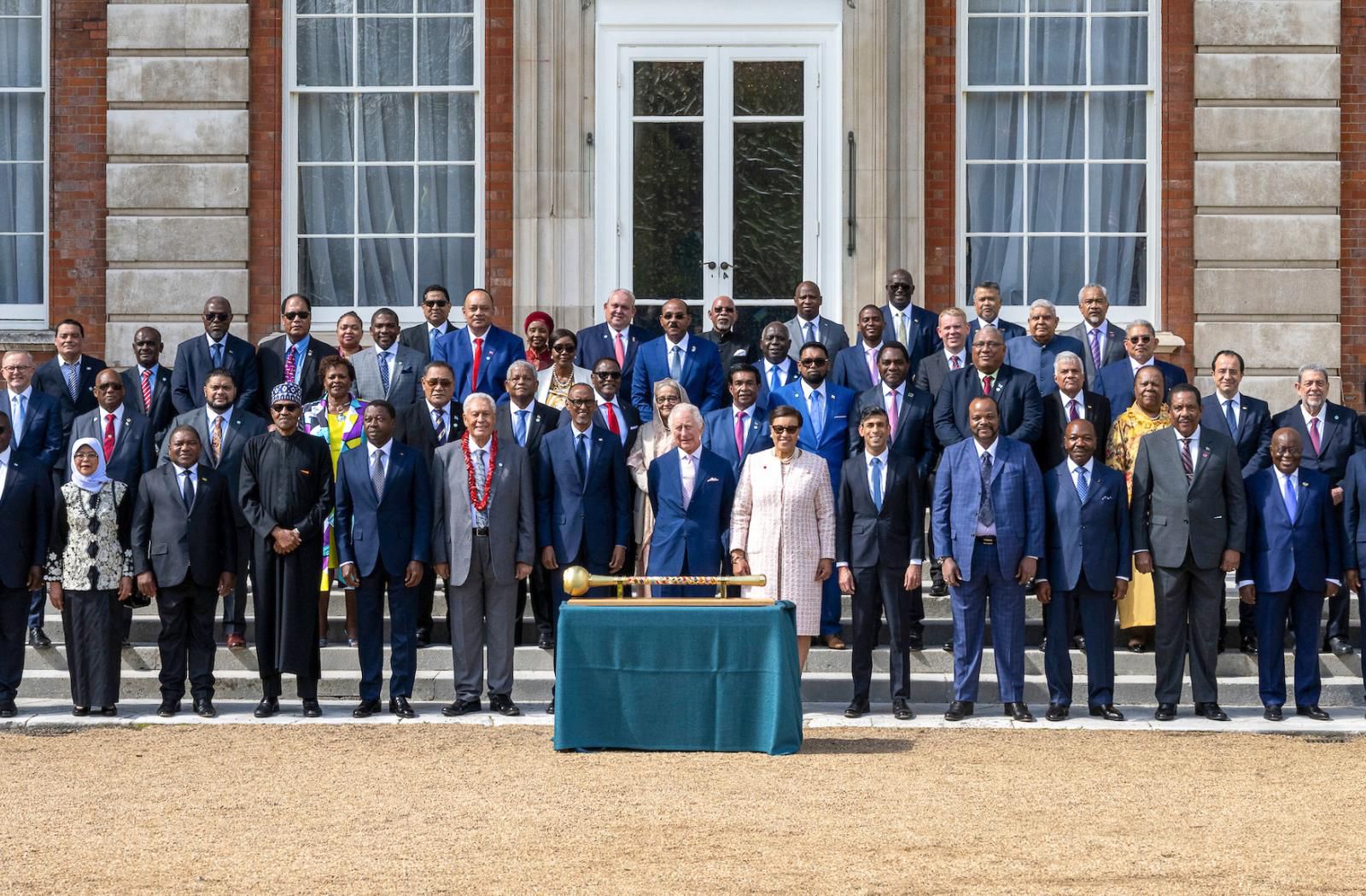
    President Buhari is in London where he attended a Commonwealth summit yesterday and will be at the coronation today. I would have loved it if Bola Tinubu was on his entourage and they made a joint pitch to investors that looks like this

    Ayo Akinfe

    [1] Nigeria is willing to offer observer status Economic Community of West African States (Ecowas summits to countries whose companies invest a minimum of $10bn a year in the sub-region. This is to facilitate massive investment in West Africa with an annual minimum foreign direct investment (FDI) target of $500bn

    [2] Nigeria is offering free land and five year tax holidays to the big automobile manufacturers like General Motors, Chrysler, Citroen, Toyota, Peugeot, Fiat, Nissan, Lexus and Ford. We want each of them to open assembly and manufacturing plants in Nigeria employing at least 5,000 local people each

    [3] Any company from an industrialised nation that invests in a manufacturing facility in Nigeria employing at least 1,000 people will get a one year tax holiday. In return, any state in Northern Nigeria where these investors build a manufacturing facility employing at least a thousand local people will be compelled by law to rescind its Sharia laws to accommodate their foreign workers

    [4] Shipping industries from across the industrialised world are welcome to open at least one shipyard in the Niger Delta to manufacture vessels for global distribution. Nigeria will offer them a 99 year lease to do this

    [5] On an annual basis, industrialised nations will be encouraged to take in 50,000 Nigerian graduates to train them up to international standards in manufacturing, management and commerce. Such countries will get preferential supply contracts

    [6] Power and steel companies will be given unprecedented sweeteners when then invest in Nigeria. If they invest over $10m and employ in excess of 1,000 Nigerians, they will be offered five year tax holidays, 99 year land leases, diplomatic status for their staff and the right to acquire Nigerian citizenship

    [7] Pharmaceutical giants who manufacture a Covid-19 vaccine in Nigeria will be given a five year tax holiday and a 99 year land lease

    [8] Agricultural giants are welcome to come and invest heavily in cattle ranches, food processing plants, storage facilities and refrigeration in Nigeria. They will be offered 100 year land leases and five year tax holidays too

    [9] Every industrialised country has a national airline. We want them to come and take out a 25% stake in Nigeria’s planned national carrier. Any airline that comes will become a joint partner in the venture, second only to Air Peace, taking over all the assets of Arik Air

    [10] Steel companies are desperately needed in Nigeria like yesterday. Steel giants from across the world are welcome to purchase the Ajaokuta, Aladja and Oshogbo steel mills with a mandate to produce 20m tonnes by 2025

  • Feature: Peter Obi’s Environmental Project for the next 4 years

    Feature: Peter Obi’s Environmental Project for the next 4 years

    With Tinubu all set to be sworn-in on the 29th, it may be an idea for Peter Obi to do an Al Gore and invest his energy in an environmental projects

    Ayo Akinfe

    [1] Whatever candidate anyone might have supported in Nigeria’s last election, the fact remains that on the 29th of this month, Bola Tinubu is going to assume office. Win or lose, the election tribunal is going to deliver a verdict for at least two months.

    [2] If you ask me, Peter Obi will be well advised to come up with a project similar to Al Gore’s Climate Reality Project. For those saying Obi should fight to the last minute, how is he expected to govern Nigeria with just six Labour Party senators, 34 members of the House of Reps and one governor?

    [3] After losing the US presidential elections, Al Gore founded the Climate Reality Project in 2005. It is a non-profit organisation devoted to solving the climate crisis. I would advice Peter Obi to do something similar centred around the River Niger

    [4] For instance, Peter Obi now has the clout to attract global investors to build hydro-electric power plants at Uguozala, Ebu, Illah, Asaba, Onitsha, Nzam and Atani on the banks of the River Niger that will generate at least 50,000MW of electricity

    [5] I think he should float a holding company that will among other things build six River Niger crossings. Each crossing will be at least four lanes wide

    [6] This holding company should also construct Nigeria’s first underwater tunnel, building a 1km tunnel between Asaba and Onitsha

    [7] It should also construct at least two railway river crossings, with one linking Illah and Nzam and another linking Asaba and Onitsha

    [8] If an underwater tennis stadium is being built in Dubai, why can’t Peter Obi build Africa’s first underwater restaurant at Illah. This restaurant should be made of see-through glass

    [9] Peter Obi’s holding company should also dredge the River Niger up to Onitsha and Asaba, enabling large Panamax ships to sail upstream. The aim should be to create Africa’s largest inland cargo port at Onitsha

    [10] For me, this would be a very judicious use of Peter Obi’s energy over the next four years. Just think of the economic impact such a programme would have and the number of jobs it would create. Do you know that Al Gorw made $300m from his environmental initiative?

  • Feature: GTCO Food and Drink Fair Championing Food Tourism in Nigeria

    Feature: GTCO Food and Drink Fair Championing Food Tourism in Nigeria

    Today is a good day for African food.

    Food is a common denominator across races and continents. It is one of the things that brings people today. Every gathering that has item 7 elicits joy. For Africans, meal times are precious; some grew up in a large families where children sit together to eat from big bowls while some gather around the dinner table. Recently, food festivals have become a big deal celebrating every fancy and interest.

    Food festivals are a great way to learn about a country. Well, you get the opportunity to mingle with the locals, learn the taste and culture of the country, try some of the best local delicacies and experience other treats from the ones you have always had. Food festivals also serve as a great way to enhance the travel experience by teasing your taste buds with gastronomical delights that you have not savoured before.

    The GTCO Food and Drink Fair in Lagos, Nigeria, has been a reference point for food enthusiasts across cultures, races and nationalities. The brand has championed food tourism, with many culinary explorers making trips in and out of visiting GTCentre for the highly branded, large-scale annual festival.

    It attracts celebrity chefs from across the globe; Nigerian food processing companies all give the 3-day event an unparalleled learning experience to everyone who cares to participate in the fair.

    The event is a family funfair, the adults and children have all they desire, ranging from scrumptious delicacies to lip-smacking drinks, amongst others. 

    Also, the dedicated play zone for the children makes it a fun-filled memorable experience for them. In the last six years, the fair has kept the tradition of making connoisseurs happy and filled to the gills with discerning palates and an appetite for gourmet cooking.

    Everyone who takes time to attend the fair can meet good people, explore food from different tribes, and have a good time as a whole. The fair brings together the various gourmets’ sights, sounds, smells, and tastes.

    There is an atmosphere of entertainment and party at this fair, and it truly showcases the lifestyle and culture of the country. Thousands of people throng this food festival every year, and it has become an a-list event on the social calendar of Nigerians.

  • Exclusive Chat with Chef Millie Peartree at the GTCO Food and Drink Festival

    Exclusive Chat with Chef Millie Peartree at the GTCO Food and Drink Festival

    Chef Millie Peartree, known as the “Queen of Repurpose”, is a Bronx-based, world-renowned chef, taste-maker, and restaurateur who has spent the last decade perfecting her craft. It wasn’t until she entered her first baking contest that she realized her baking (and now culinary) talent would evolve into a successful and innovative culinary enterprise. Millie has a knack for creating unconventional tasting menus and experiential activations using well-known products not often considered cooking ingredients. With the ability to cook for many consumers, her talents lend themselves well to on-site activation demos, tastings, sampling, and branding opportunities. She has worked with some of the nation and world’s most widely recognized brands and celebrities, including MLB, Rolex, PepsiCo, Jay-Z & Beyonce, MTV, Delta Airlines, NY Mets, Alicia Keys, Dole, Band-aid and many more.

    She was one of the facilitators of the Masterclass at the 2023 GTCO Food and Drink Fair in Lagos, Nigeria. Our team had a chat with her, please find below excerpt-

    NW: How did you start this business?

    CMP: I started my culinary career. It was shortly after my mom passed away. And it was more transitional to continue to create memories that my mom made with me and that I did with my little brothers and sisters. So from there, it just skyrocketed. And I feel like it’s a blessing to be able to do what you love. So I’m really excited that I can continue my journey through cooking.

    NW: What made you actually choose soul food as your area of expertise and not any other type of cuisine?

    CMP: Well, I chose the area of soul food because- number one, it is part of my culture, my heritage, and what I grew up eating. But most importantly, I wanted to continue to create those happy memories through food and pretty much in remembrance of my mom. So it just only felt natural. So I cook and serve the food that I know. And with that, I bring her in spirit every time I make one of her dishes.

    NW: What was your most Creative challenge thus far?

    CMP: The creative towels are one of my most creative challenges, or one of my hardest obstacles, per se, or I created an event for a rapper named Young Jeezy. And we were at the venue, and the stove didn’t work. So instantly, I had to use someone’s stove in an apartment. Luckily, it was in a building where people live. And you know, you have to work on instinct sometimes, when you’re hired to do a service, you know, you have to show up and get the job done. Like nobody really cares what doesn’t go on. They just know that they want their job done. That was one of those situations where I had to be the most instinctive and it worked out for the best.

    Listening to the audience with rapt attention

    NW: As a first-time visitor to Nigeria, what inspired you to try Nigerian okra in your recipe, as you showed us during the Masterclass?

    CMP: Well, I grew up eating okra. So the first time I actually had fried okra was at a gas station in Beaufort, South Carolina, I was going to visit my aunt. And in the States, we have gas station favourites and street food. And in New York, our gas station favourites, I like hot dogs. And that was the first time I actually had it. But my mom made it all the time, she made a southern version of okra and tomatoes, which is more sautéed with just peppers and onions, and we ate it over rice. So it was only natural for me to take another recipe and recreate it into something that I wanted to again and remember it’s of the recipe so my mom made in my household growing up. I have not had the Nigerian okra Soup. However, I’m going to try it before I leave.

    NW: What Nigerian delicacy have you tasted since you arrived that you have never tasted before?

    CMP: Well, one of the things I had here so far that I’ve never had before I’ve had the snails, which was a delicacy like we call it and it was very good. And it had a good ocean taste to it. So you knew it was fresh like wherever the purveyor wasn’t they got these snails from it tastes like the seas I knew it was fresh. It was absolutely delicious. This is my first time in Nigeria on the continent is Africa as a whole my first time here.

  • Feature- Rural Transportation: A Top Priority to Boost IGR for Agriculture

    Feature- Rural Transportation: A Top Priority to Boost IGR for Agriculture

    by Ayo Akinfe

    I hope Bola Tinubu realises that he needs to make rural transport a top priority if he wants to boost the revenue generated from agriculture

    [1] Are Nigerians aware of the fact that their country is the world’s sixth-largest agricultural producer

    [2] We are the world’s number one producer of about 10 crops, with the main ones being yam, cassava, cocoa yam, melon seed, bitter leaf and shea nuts

    [3] However, about a third of our agricultural output gets destroyed in the rural areas. Poor roads mean potholes, which in turn destroys crops, especially fruit and vegetables

    [4] Just imagine how much produce we would save and how much revenue could be generated if we had a decent rural road network with crops transported to markets in refrigerated trucks

    [5] One of the first things Bola Tinubu needs to do is sit down with his governors and explain the importance of rural roads to them. They are ten times more important than flyovers and fancy roundabouts

    [6] Each state governor should also come up with a public works programme that involves getting our youth off the street and building these rural roads with bus stops that look like this

    [7] Annually, we may need to spend about $2bn on rural roads across all 774 local government areas. The rainy season has shown that we have no rural transport network in Nigeria. Many villages and farms are totally inaccessible at the moment

    [8] This then needs to be augmented with the construction of our national rail network linking all 774 local government areas to what is effectively a railway grid. We simply have to get more people off the roads and into trains

    [9] In subsequent years, I would also dedicate about $2bn to a national bicycle programme. We must avoid this ignorant notion that bicycles are for the “bush man” and villager. This will allow farmers to cycle to their farms every morning

    [10] Ultimately, for this programme to succeed, our state governors need to run with it. Whoever becomes the next chairman of the Nigerian Governors Forum will be key to its success