

























The Centre for the Promotion of Private Enterprise (CPPE) has outlined the far-reaching implications of the escalating conflict involving Iran, the United States and Israel on the Nigerian economy, warning that while rising oil prices may create short-term fiscal gains, significant inflationary, financial and welfare risks remain.
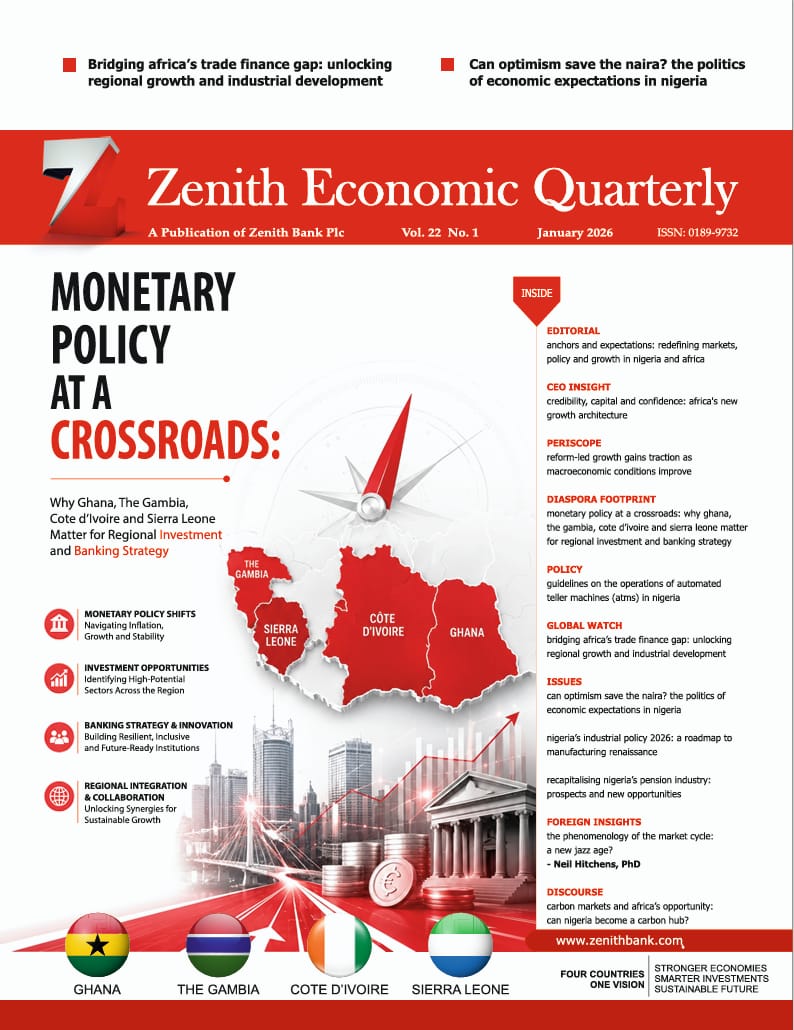 https://www.digital.zenithbank.com/ZEQ/ZEQ-jan-2026/index.html#p=1
In a comprehensive policy brief released on Saturday, CPPE explained that the intensifying geopolitical tensions have injected fresh uncertainty into the global economy, with energy markets serving as the first major transmission channel. Of particular strategic concern is the Strait of Hormuz, a critical oil corridor through which roughly 20 percent of global crude supply is transported daily. Any disruption to this route, the Centre noted, could trigger immediate spikes in oil prices, higher shipping and insurance costs, and broader supply chain disruptions. Additionally, output risks from major Middle Eastern oil producers further amplify market volatility.
For Nigeria, an oil-dependent economy where crude accounts for more than 85 percent of export earnings and approximately half of government revenue, the consequences are substantial. According to CPPE, higher oil prices traditionally translate into increased export receipts, stronger foreign exchange inflows, improved external reserves, and higher statutory allocations to all tiers of government. These developments could temporarily strengthen fiscal and external balances.
However, the Centre cautioned that Nigeria’s ability to fully capitalize on any oil price windfall is constrained by domestic production challenges. Current output levels, fluctuating between 1.4 and 1.6 million barrels per day, remain below installed capacity due to oil theft, pipeline vandalism, and underinvestment in upstream infrastructure. Without meaningful improvements in production security and efficiency, the fiscal benefits of higher prices may be limited. CPPE also warned that if the conflict escalates further and slows global economic growth, weakened oil demand could eventually reverse price gains, underscoring the fragile nature of any revenue upside.
On the exchange rate front, CPPE observed that higher oil earnings could improve Nigeria’s current account position and boost foreign exchange liquidity, potentially easing pressure on the naira. Stronger export receipts may reinforce investor confidence and enhance reserve buffers. Nevertheless, geopolitical instability often prompts global risk aversion, driving capital toward safe-haven assets such as U.S. Treasury securities and gold. Emerging markets, including Nigeria, typically experience portfolio outflows during such periods of uncertainty. Given Nigeria’s sensitivity to foreign portfolio investment, capital reversals could offset gains from stronger oil inflows, leading to exchange rate volatility. The net impact on the currency will therefore depend on the balance between oil-driven inflows and financial market outflows.
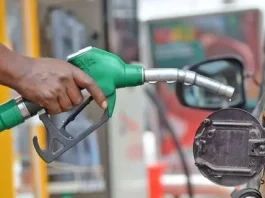
The Centre emphasized that the most immediate domestic risk lies in inflation transmission. Under Nigeria’s deregulated downstream petroleum regime, higher international crude prices are likely to result in increased pump prices for petrol, diesel and aviation fuel. Rising energy costs would feed into transportation expenses, food distribution costs, and manufacturing input prices. Given that transportation and food account for a significant portion of household expenditure, sustained fuel price increases could intensify cost-of-living pressures and worsen poverty levels. CPPE noted that this dynamic could create a divergence between fiscal gains for government and declining welfare outcomes for households.
In the capital market, CPPE expects differentiated sectoral impacts. Oil and gas companies may benefit from improved earnings prospects and heightened investor interest in energy-linked assets. Conversely, sectors such as manufacturing, aviation, logistics and consumer goods could experience margin compression as energy and input costs rise. The Centre anticipates increased short-term volatility across both equity and fixed-income markets, particularly if global financial conditions tighten further.
Beyond immediate economic variables, CPPE highlighted the importance of fiscal discipline. Nigeria’s history of expanding public expenditure during oil price booms, followed by fiscal strain during downturns, presents a cautionary lesson. The Centre urged authorities to use any revenue windfall prudently by building fiscal buffers, reducing deficits, moderating public debt accumulation, and prioritizing capital investment over recurrent spending. Without disciplined fiscal management, temporary gains could encourage unsustainable spending patterns and heighten vulnerability when oil prices eventually normalize.
The broader global outlook also poses risks. An escalation of the conflict could increase global shipping insurance costs, disrupt supply chains, sustain commodity market volatility, and dampen global growth. Nigeria’s heavy reliance on crude exports makes it particularly exposed to such external shocks, reinforcing the urgency of structural diversification.
To navigate these risks, CPPE recommended strengthening oil production capacity through intensified anti-theft measures and upstream investment incentives, building stabilization savings from excess revenues, accelerating domestic refining capacity, sustaining foreign exchange market reforms, deploying targeted social protection to cushion vulnerable households, and fast-tracking economic diversification into non-oil exports, manufacturing, agro-processing, ICT and services.
In conclusion, CPPE described the Iran–U.S.–Israel conflict as a classic double-edged shock for Nigeria. While higher oil prices may offer short-term fiscal and external relief, inflationary pressures, welfare deterioration, capital flow volatility and global growth risks pose significant countervailing threats. The Centre stressed that the ultimate outcome will depend less on external developments and more on domestic policy discipline, production efficiency, macroeconomic prudence and structural reforms capable of converting geopolitical turbulence into long-term economic resilience.