























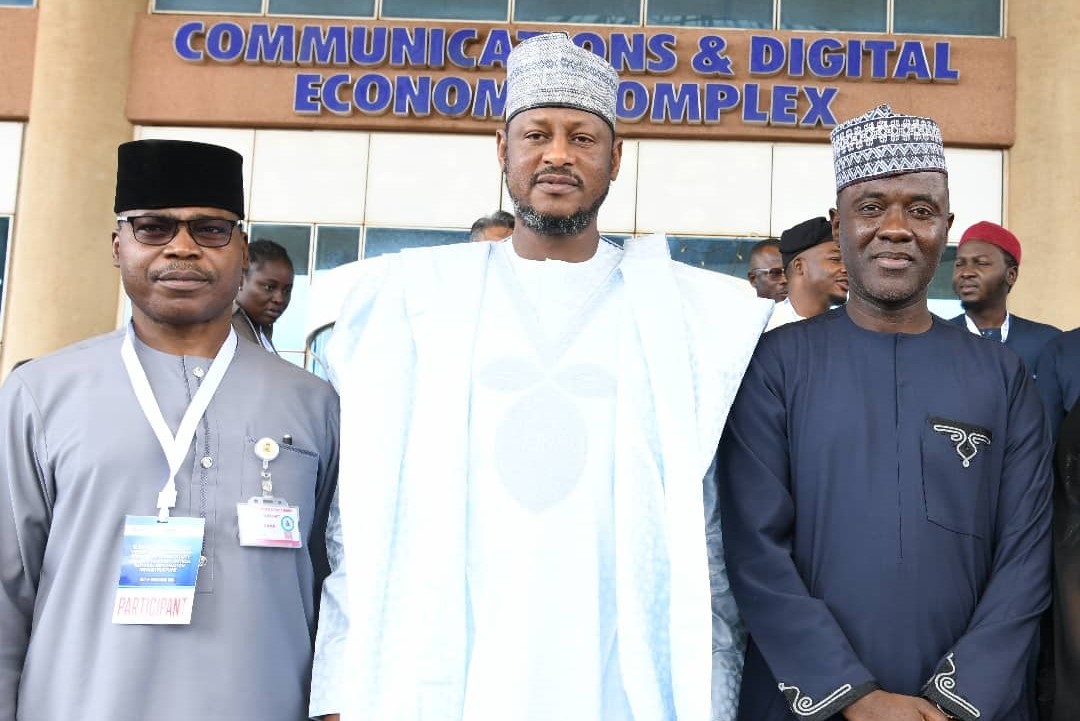
The Nigerian Communications Commission (NCC) has rallied telecom operators, security agencies, and state governments behind a bold national mission — to protect Nigeria’s digital infrastructure and accelerate broadband expansion.Speaking at a Business Roundtable on “Right of Way and Protection of Broadband Infrastructure” held at the NCC Digital Economy Complex recently. The Commission’s Executive Vice Chairman (EVC), Dr Amina Maida declared connectivity “the quiet engine of the national economy,” posing a pointed question: “How much is an hour of connectivity worth?”
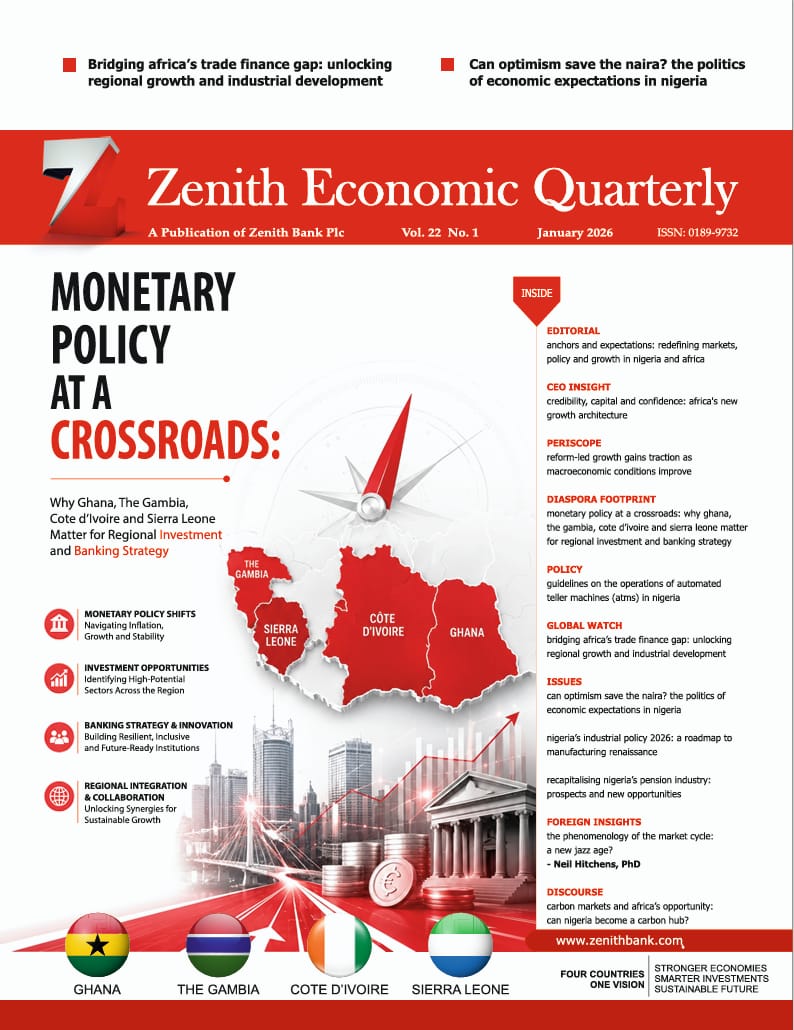 https://www.digital.zenithbank.com/ZEQ/ZEQ-jan-2026/index.html#p=1
Broadband: The New Oil of Economic Growth
The EVC emphasized that broadband today goes beyond fast downloads — it fuels economic inclusion, innovation, and national resilience. With broadband penetration standing at 48.81% as of August 2025, research shows that every 10% increase could lift Nigeria’s GDP by about 1.38%.
Citing global examples like India’s $240 billion IT industry, the EVC said Nigeria — with over 200 million citizens and a youthful median age of 18 — must equip its people with affordable, reliable, and high-speed internet to drive inclusive growth.
Under the National Broadband Plan (2020–2025), Nigeria aims to achieve 70% broadband penetration and deploy 90,000 kilometres of fibre optic backbone by year-end 2025.
Securing the Digital Backbone
The NCC is translating that vision into action. Two landmark moves are reshaping Nigeria’s digital resilience:
The CNII Presidential Order, signed by President Bola Ahmed Tinubu in June 2024, now gives telecom infrastructure the same protection as critical national assets. Working with the Office of the National Security Adviser (ONSA), NCC has formed an Industry Working Group to enforce this directive.
The result? Crackdowns on vandalism and theft — with ONSA dismantling major cartels responsible for telecom equipment theft over the past two years.
High RoW fees have long slowed broadband rollout. NCC’s persistent advocacy has paid off: 11 states now charge zero fees, while 17 others have capped rates at the national benchmark of ₦145 per linear meter.
The Commission has also introduced a “dig-once” strategy — synchronizing civil works across agencies to prevent fibre damage and cut costs.
Investment Surge and Next Steps
These reforms are restoring investor confidence. Telecom operators have collectively pledged over $1 billion in new broadband expansion investments, targeting underserved and rural regions.
To ensure open access, the NCC has commissioned a National Fibre Study — a blueprint for a transparent wholesale market that allows Internet Service Providers (ISPs) to seamlessly access backbone networks.
Persistent Threats, Shared Responsibility
Despite major progress, challenges remain stark. Between January and August 2025, Nigeria recorded: 19,384 fibre cuts
3,241 equipment thefts and over 19,000 site access denials
These attacks cause widespread service disruptions and financial losses, the EVC warned, urging continued collaboration among regulators, law enforcement, and citizens.
“Connectivity drives everything — from banking to education to national security,” he said. “Protecting it is not just an industry duty; it’s a national imperative.”