Category: Features

Featured posts

  • Feature: Okeho Rest House, Okeho Ahoro, and Others all Eminently Qualified to be Added to UNESCO World Heritage Site

    Feature: Okeho Rest House, Okeho Ahoro, and Others all Eminently Qualified to be Added to UNESCO World Heritage Site

    By Kayode Awojobi

    British influence in the region, now known as Nigeria, began with the prohibition of British subjects in 1807. Britain annexed Lagos in 1861 and established the Oil River Protectorate in 1884. The influence of the British increased in the Niger area gradually over the 19th century. British influence in the Niger area increased gradually over the 19th century, but Britain did not effectively occupy the area until 1885. Other European powers acknowledged Britain’s dominance over the area in 1885. 

    From 1886 to 1899, much of the country was ruled by the Royal Niger Company, authorized by charter, and governed by George Taubman Goldie. In 1900, the Southern Nigeria Protectorate and Northern Nigeria Protectorate passed from company hands to the Crown. At the urging of Governor Frederick Lugard, they amalgamated the two territories as the Colony and Protectorate of Nigeria, while maintaining considerable regional autonomy among the three major regions (Northern protectorate, Southern protectorate, and the Colony of Lagos). Progressive constitutions after World War II provided for increasing representation and electoral government by Nigerians. The colonial period proper in Nigeria lasted from 1900 to 1960, after which Nigeria gained its independence.

    Having situated the colonial rule in Nigeria, the colonial masters were renowned to have left footprints of their adventure in Nigeria. The infrastructure, edifices, and other projects that they executed or were named after them have become relics that recount their stewardship in these places. Some of these places have been named after them to date. For instance, the Kogi State Government House is called Lugard House; the Cross Rivers State Governor’s official residence is known as The Peregrino; Bower’s Tower is in Ibadan, the Oyo State capital; amongst many others. It is important to note that the locations inhabited by the colonialists are usually hilly. It is definitely impossible to rule out the names and places that experienced the influence of the colonialists.

    Okeho, a prominent town in the Oke-Ogun area of Oyo state, was one town in Oke-Ogun where the colonial masters had their exploits and the history of Okeho is incomplete without mentioning them. Worthy of note among colonial masters who had a serious impact in Okeho back then is Captain William Alton Ross.

    Captain Ross became the resident officer of Oyo Province in 1914. It was during the leadership of the province that there was the Iseyin-Okeho Uprising of 1916. He alongside his entourage performed their stewardship in quenching the fire of war, kingship/leadership crisis in Okeho, and Taxations, amongst others. Although we were unable to verify this calm because there was no commemorative plaque at the commissioning of the building. However, it is assumed that the Rest House was built after the people of Okeho were told to move from Okeho Ahoro to Okeho Ile. The building gives a 360-degree view of the town from this vantage position. Despite the tremendous growth of the community in recent years, one can still see the entire town from this building on the hill.

    Whoever intends to visit the Rest House in Okeho must be ready to climb a mountain, but it would be easier when you pass through other routes, such as Alaapa, this would reduce the stress of going to the historical place. If one aims to go to the Rest House from the junction, they would greet one in the popular parlance of Okeho indigenes, “E ku Amokegun” literarily means Keep mounting the heights.

    After getting to the top of Okeho Rest House, one would have a view of the coordinates of Okeho, such as Okeho Dam, First Baptist Church, Isia, Okeho, Okeho Central mosque, Gbonje, Gbonje Market, Christ Baptist Church, Olele, L.A Primary School, Olele, Okeho, Ebenezer Baptist Church, Ogan, Okeho, Kara axis, Immanuel Baptist Church, amongst others. 

    Okeho Rest House has not caught the needed attention as a heritage site despite the historical antecedents attached to it, but now it has been converted to Amotekun’s Office of Kajola local government headquarters.

    It is important to say that all these buildings and monuments are now worthy of becoming UNESCO Heritage Sites. A World Heritage Site is a landmark or area with legal protection by an international convention administered by the United Nations Educational, Scientific and Cultural Organization (UNESCO). World Heritage Sites are designated by UNESCO for having cultural, historical, scientific, or other forms of significance. The sites are judged to contain “cultural and natural heritage around the world considered being of outstanding value to humanity.

    To be selected, a World Heritage Site must be a somehow unique landmark that is geographically and historically identifiable and has special cultural or physical significance. For example, World Heritage Sites might be ancient ruins or historical structures, buildings, cities, deserts, forests, islands, lakes, monuments, mountains, or wilderness areas. A World Heritage Site may signify a remarkable accomplishment of humanity, and serve as evidence of our intellectual history on the planet, or it might be a place of great natural beauty.

    Okeho has various locations that qualify to be added to the list of natural heritage site such as the Okeho Ahoro, Okeho dam amongst others. Okeho Ahoro which served as a refuge for Okeho people during the Dahomey slave raid and Fulani invasion of the Yoruba land has several historic sites including burial sited of some late kings of the town, the abode of the king during the war, café, hills, rivers and lots more to satisfy the curiosity of any tourist.

    Another reason why Okeho needs to be a heritage site is the peculiarity of how the town came into being as a confederation of eleven independent communities, namely Alubo, Bode, Igboje, Ijo, Imoba, Isia, Isemi, Oke-Ogun, Ogan, Olele and Pamo.

    Okeho is a great community that would bring pride to the nation if we bring her natural endowments to the fore for everyone to appreciate and see as the great destination for great tourism activities in Nigeria and Africa, at large.
  • Feature: Nigeria yet to tap into the opportunities of Russia-Ukraine Conflict

    by Ayo Akinfe

    Unfortunately Nigeria is not tapping into the opportunities that the Russia-Ukraine conflict is presenting to her on a platter

    [1] Last week, a European Union delegation visited Abuja to ask that Nigeria replace Russia as their main gas supplier. Why did we not figure out that opportunity ourselves? Nigeria should have plugged the gap in the market as soon as sanctions were introduced against Moscow?

    [2] Many people may have now forgotten but last year, Nigeria and Russia signed a bilateral pact that covered a whole range of areas. These included steel production, railway construction, military training, the supply of 12 attack helicopters and power supply

    [3] Russia can easily see the writing on the wall. Everything is cyclical. Western Europe is fast becoming yesterday’s man, Britain is on the verge of becoming a Third World nation with her Brexit madness, in Japan, the ageing population makes it impossible for continued accelerated growth and the US arrogance as exemplified by Donald Trump means that its days as an economic super power are numbered

    [4] I am not surprised that President Vladimir Putin has turned to Africa to revive Russia’s fortunes. He needs the continent’s gold, diamonds, bauxite, cocoa, coffee, rubber, palm oil, cashews, groundnuts, cassava, yam, copper, tin, cotton, etc to develop his economy. As we speak, China has more patents than the entire European Union. While Russia was snoring, China was building the fastest, tallest, biggest and longest everything. Clearly Putin hopes that his recent deal with 40 African nations will allow him bridge that gap

    [5] On paper, Nigeria got a good deal as the Russians will revive Ajaokuta and get the nation producing steel. Russia will also build a Lagos to Calabar railway line and enter into a joint venture with the NNPC to build gas fired power plants. However, I am disappointed that the deal does not include an agreement on fishing, which is a sector in which Russia is very strong

    [6] There is an old saying that only a fool is thirsty amid the abundance of water. Nigeria fits this bill perfectly when it comes to fishing as we have 853km of Atlantic coastline and are one of the world’s largest fish importers. This simply defies all logic and it is unfortunate that the government did not use the Russia summit as an opportunity to tackle the problem

    [7] Annually, Nigeria consumes 3.32m tonnes of fish but alas, we only produce 1.12m tonnes a year. We thus import 2.2m tonnes of fish annually. Nigeria is currently the fourth largest fish importer in the world, spending about $1.5bn a year on the product. That is an expense we simply cannot afford. Just imagine how many Almajiris $1.5bn will train to become carpenters, mechanics, tailors, cobblers, bricklayers, etc

    [8] Russia in contrast produces about 5m tonnes of seafood a year, accounting for about 2.3% of world output. Not satisfied, the Russian government has launched an aggressive expansion programme. Russia’s government offers a subsidy of two-thirds of the credit needed to construct and modernise aquaculture facilities. Fish farmers and fishermen just have to apply for these loans. Also, Russia has five technical universities that train specialists in fisheries, offering programmes for fisheries biology, navigation and marine engineering, fish processing, processing machinery, the economics of fisheries and aquaculture. Four professional schools also graduate middle level professionals, while nine Russian universities graduate about 120 aquaculture specialists each year. In addition, the biological departments of several universities also graduate specialists in fish biology and fishery oceanography

    [9] Russia’s fish industry is worth about $5.5bn a year and the sector generates about $3bn in export earnings. Russia exports $8.4m worth of mackerel to Nigeria annually, making it our biggest fish supplier. Our total mackerel import bill is about $33.8m a year, with countries like the Faroe Islands, Iceland, Norway, Ireland, Netherlands and Mauritania all exporting to this dumb country. Mauritania for instance has a coastline of 754km but exports fish to Nigeria that has a coastline of 853km! Hmmmm

    [10] As we speak, Russia is desperate for friends. Nigeria should be involved in high level negotiations with them. As part of a fresh Nigeria-Russia Pact, we should be asking President Vladimir Putin to open three school of fisheries in maybe Badagry, Warri and Calabar, to finish Ajaokuta and Aladja steel plants within a year and to open at least one shipyard in the Niger Delta.

  • Feature: Business Case Against the Proposed Two-Wheeler Ban

    Feature: Business Case Against the Proposed Two-Wheeler Ban

    By Elvis Eromosele 

    Transportation, the movement of people and goods from one place to another, is a significant driver of human progress. In Nigeria, the three key means of transportation are road, air, and water. Road transport however dominates the means of transportation, especially in urban and suburban areas. Reports indicate that road transport makes up about 90 percent of the movement of goods and passengers in the country. 

    In recent years the use of three and two-wheelers for transportation has risen dramatically, both for private and commercial purposes. Experts are quick to point out that the rising prevalence is directly connected to the growing population, increasing unemployment and the glaring inefficiencies of the available urban transport infrastructure. They are children of necessity. 

    Another factor, driving the uptake of three and two-wheelers may be the collapse of the public intra-city transport system, unbearable traffic in urban centres and the absence of last-mile facilities. 

    The reality is that there is an increase in the use of two-wheelers for commercial purposes because they enhance mobility and accessibility, especially in areas with bad road networks or where there is traffic congestion, low fuel consumption, speed, reliability and flexibility. Also, many government poverty eradication schemes are built around the provision of two-wheelers to residents. They have essentially become part of our culture. 

    Of course, there have been complaints against the use of two-wheelers. Some allude to the fact that they are a reason for the growing incident of road traffic accidents in urban areas. In recent times, viral videos have shown bandits and terrorist elements riding around in two-wheelers across the Savanah plains. 

    To combat the problems and address the complaints, the government’s response has been almost predictable – news media report that the government is proposing a blanket ban on two-wheelers. 

    First, it was a mere rumour but now official government sources have voiced it. This sort of knee-jerk reaction is unproductive and worrisome. 

    Across the world, planes have been hijacked and used for terrorist acts, but planes have not been banned. Cars have been used for robberies, yet cars have not been banned. A train was recently bombed and some of the passengers were kidnapped, but no one is talking about banning the operation of trains. 

    Banning two-wheelers is not the solution. They fill an important gap, meet a significant need and contribute to the national economy. A ban is not the way to go. 

    Yes, one truth that cannot be ignored is that two-wheelers have had a tremendous impact on the economy. The commercial use of two-wheelers has employed hundreds of thousands of unemployed people. Across the length and breadth of the country, young men without jobs, both educated and illiterate alike along with retirees have all taken to driving two-wheelers to make ends meet. I recall, a time in the mid-1990s when my father, Sunday Eromosele, now late, rode two-wheelers (popularly called okada) for almost three years following his retirement from Ibru Fisheries. He could not abandon his responsibility for family upkeep. 

    In addition to those directly engaged in riding the bikes, some companies bring in completely knocked down (CKD) parts and assemble them in the country, transferring important technology skills in the process. Many others are into the sale of the different brands of two-wheelers and spare parts. There are some engaged in the repairs, service and maintenance, both company-owned and private individual managed. And some banks finance the bulk of these transactions. 

    There is a massive ecosystem involved in the provision of two-wheelers, a blanket ban would impact negatively across too many sectors.

    It can be argued that in the light of how interwoven two-wheelers have become in everyday economic activity, a total ban will be counter-productive. Rather than achieve, the desired outcome, whatever it may be, it may instead lead to an increase in crime rate, loss of jobs, and precipitate an economic downturn. The Nigeria Bureau of Statistics (NBS) indicates that the unemployment rate in the country is currently in the region of 33 percent. So, banning a system that employs hundreds of thousands would be nothing, if not counterproductive.  

    Furthermore, a closer look will reveal that the government also make revenue from the operations of two-wheelers, particularly in monies paid for plate numbers, licenses and permits. 

    In Lagos State alone over 10,000 new licenses are granted yearly aside from renewals. The figures accruing to the government coffers will run into billions of Naira. 

    We honestly cannot shy away from the fact that the operation of two-wheelers has helped to ease the transport difficulties encountered by the people across the country. They fill a gap that will be difficult to replace without massive infrastructure and transport systems overhaul. 

    No, a blanket ban is not the solution. We must explore creative solutions to resolve issues, not quick fixes. Everything must not be addressed with violence. No, a blanket ban is never the solution. We must explore creative solutions to resolve issues. 

    The government should look at the registration of every two-wheeler linked with the NIN. It can also consider closer monitoring and inspection. This is a good way to equally create jobs. For inspectors. 

    Today, Nigeria is gradually becoming a hub for the manufacturing of two-wheelers and sales across the West African coast. There is a massive inflow of Foreign Direct Investment (FDI), boosting economic activities and contributing to the nation’s GDP. 

    Beyond the establishment of production factories and assembly lines, many are opening up service and training outlets across the country. In the five years, thousands of people have been trained in two-wheeler repairs and maintenance across the country. Curiously, repair of two-wheelers is closely related to generator repair. So, we find a situation where young people who repair two-wheeler also fix generators and vice versa. It is today a thriving industry on its own. 

    This is job creation. This is economic productivity. 

    Furthermore, with growth in e-Commerce, logistics and delivery services have become nearly indispensable. It is not surprising that two and three-wheelers dominate this space. They are important factors in the digital economy that the Federal government is actively promoting and implementing across the country. Digital economy and logistics are like Siamese twins with two and three-wheelers as the legs.

    Transportation holds incredible potential. Two and three-wheelers are a huge part of this potential. The government must find ways to support and possibly better regulate but not ban two-wheelers.

    Elvis Eromosele, a Corporate Communication professional and public affairs analyst lives in Lagos.

  • Feature: Type II Diabetes and Obesity

    Feature: Type II Diabetes and Obesity

    By Dr. Toyin Jenyo

    Type II Diabetes and Obesity

    By Dr. Toyin Jenyo

    WHO defines obesity as a Body Mass Index (BMI) greater than or equal to 30 and BMI is defined as an individual’s weight in kilograms divided by the square of his height in meters (kg/m2) (WHO, 2012). In the public health domain, obesity and overweight almost always go together because the public health implication of obesity has to do with the relationship of this state of abnormal or excessive fat accumulation in the body with the risk of co-morbidities like cardiovascular disease (mainly heart disease and stroke), type 2 diabetes, musculoskeletal disorders like osteoarthritis, and some cancers (endometrial, breast and colon). Although the degree of weight gain was categorized into classes (Underweight, Normal range, Overweight, Obese class 1, Obese class 2 and Obese class 3) based on the BMI values, the risk of co-morbidities was linearly related to BMI from a BMI nadir of 19 or 20 kg/m2 (Willett et al., 1999 cited in James et al., 2001) because the health hazards of different degrees of weight are not substantially changed at any particular cutoff point for each class of weight gain (James et al, 2001; WHO, 2006). With this, it is well known that the risk of health problems starts with only a slight overweight with the increase in weight.

    Therefore, in discussing obesity as a public health problem, overweight cannot be left out. Overweight is defined as a BMI greater or equal to 25(WHO, 2012). As of 2008, over 1.4 billion adults (20 years and above) are overweight, out of which more than 200 million men and 300 million women are obese leaving one-tenth of the world’s population obese. Considering the fact that overweight and obesity are the fifth leading risk for global death with about 2.8 million yearly death among adults and 44% of the diabetes burden because of being overweight and obese, these conditions should be considered public health issue that needs urgent attention (WHO, 2012). More so that the problem of Obesity has extended beyond the developed countries (‘rich’ countries), with fast-growing prevalence in developing countries (poor’ countries) where close to 35 million out of 40 million overweight children (under five) reside in 2010 (WHO, 2012). The prevalence of obesity/overweight in urban areas in seven African countries such as Burkina Faso, Ghana, Kenya, Malawi, Niger, Tanzania, and Senegal, and it has increased by about 35% between 1992 and 2005, with a higher prevalence among the poorest compared with the richest (Ziraba, Fotso & Ochako, 2009). Similar association between obesity and poverty was observed in the United States of America ( Drewnowski & Specter, 2004). 

    Basically, overweight and obesity are due to an energy imbalance between calories consumed and calories expended. This can be because of excessive consumption of calories by consuming energy-dense food or inadequate expending of calories because of a sedentary lifestyle (WHO, 2012). Based on this understanding, the approach to solving the problem of obesity (the accessible target for intervention programs designed to reduce the incidence of diabetes in public health perspectives (Bressler et al, 2010) is based on a behavioural change in physical activities and consumption of energy-dense food (Birm, Pillay & Holtz, 2009). But the increase in obesity prevalence in poor countries, obesity associated with poverty, and continuous increase in the prevalence of obesity/overweight/type II diabetes in our societies call for the implementation of a complementary/alternative approach/political economy (Birm, Pillay & Holtz, 2009)) in solving the obesity problem. 

    Behavioural approach is related to the investment in the nutrition paradigm, while it is related to the political economy approach to the human rights approach to the nutrition paradigm (Johnson, 2009). The history and practice of different nutrition paradigms, their policy implications, and their influence on the causal explanations and treatment of Obesity/ Overweight and type II diabetes will be examined in subsequent editions. 

    Watch this space….

    Toyin Olawale Jenyo, MBBS(Ilorin) MPH(Liverpool) is a member of Fiji College of General Practice (FCGP). He is a Public Health Physician with vast experience in General Practice in four countries. He has more than 10 years’ experience in treatment and effective application of public health interventions in CDs and NCDs at PHC level. He has also been involved in training and mentorship of medical officers and medical students over the years of practice. He works at Olivet Medical Centre, Nakasi Suva, Fiji Islands

  • Feature: Investing in SMEs in Nigeria to support economic growth

    By Ireyimika Oyegbami 

    The current rising rate of inflation, the slowdown in growth rate, and other pressures bearing down hard against the Nigerian economy speak to the realities of the times we are living in. 

    Further, the closure of over 50 bakeries in Abuja due to a rise in the cost of operations and the inability to meet their financial responsibilities paints a more vivid picture of the situation. A harsher reflection of this reality can be viewed through the prices of common goods and food items that have literally gone through the roof. 

    However, amidst these challenges, some resilient operators – retail entrepreneurs are trying to weather the headwinds and make things happen. The retail industry caters to over 25 million people who make a living from it. 

    Studies indicate that women account for 41percent in terms of business ownership within this segment which is estimated to be worth $100 billion. In the last five years, SMEs in Nigeria have contributed 48% of the national GDP. These data speak to the importance played by the retail economy in the country.

    Access to capital, increasing brand visibility, driving traffic for goods and services, and infrastructural bottlenecks associated with order fulfillment and last-mile delivery are some of the major challenges that confront retail entrepreneurs in Nigeria. 

    Aware of the important role financing plays in driving retail trade, various financial institutions and fulfillment service providers are providing credit to players in the retail economy to enable them to sustain and grow their businesses. 

    Sendy, a tech company that builds a fulfillment infrastructure for e-commerce and consumer brands, is democratizing trade across the continent. With operations in Nigeria, Côte d’Ivoire, Uganda and Kenya. The company is revolutionizing retail distribution by providing a platform that allows retailers to purchase stock at competitive prices from multiple suppliers in real-time.

    Through the platform, retailers can also get financing to enable them to restock their businesses. This is now enabling retail players to source goods at affordable prices, optimize their profitability, and reduce losses occasioned by the unavailability of te product 

    In a past media interview, Wale Adisa, Sendy, General Manager, English West Africa said “Sendy Supply provides a platform that enables businesses to purchase stock at competitive prices from multiple suppliers/manufacturers. We also provide advanced credit and flexible financing to enable businesses to buy stock and meet customers’ shopping needs. Through the platform, we are helping general retailers to grow and do more by picking and shipping the stock from suppliers to their stores within 24 hours so that they can spend more time growing their businesses.”

    Sendy also organizes masterclasses where business owners learn how to deploy digital communications more productively, connect with their target audience and communicate their unique selling propositions. This is a smart way to empower businesses.

    Across the continent, Google has also been very committed to helping small businesses grow. Its Shop Small Summit, an e-commerce-focused virtual event aimed at helping small business owners improve their knowledge of e-commerce trends in Sub-Saharan Africa is another example. 

    In June, Google partnered with Sendy in an initiative aimed at empowering Africa’s small and medium businesses. The program, dubbed Google Hustle Academy, seeks to ​​provide MSMEs across Kenya, Nigeria, and South Africa with expert training on business strategy & development, digital marketing, and financial planning.

    In many economies, a rise in inflation affects operation costs for many SMEs. These include logistics, warehousing, distribution, etc. However, business owners still need to be able to manage their daily activities, including deliveries to customers across the country.

    In a bid to help small businesses resolve this challenge, fulfillment platforms like Sendy come to the fore, in facilitating storage, movement, and distribution while the business owner can focus on enhancing customer experience, improving product quality, and growing the business.

    “Logistics is the foundation of easier trade in Africa and Sendy has invested heavily in it from both a tech and operations perspective. From a tech perspective, the company has redesigned its systems to ensure the proper handling of not only present traffic, but also future traffic. We have strategic partnerships with logistics providers, consumer goods suppliers, financial institutions, payment networks, warehouse providers, and regulators in all countries we operate in,” Wale added.

    For the Nigerian economy to continue soaring, SMEs need a lot of support. They are critical drivers of growth and sustainable development across many countries in the continent. It is important to continue investing in them to develop their potential and capacity.

    Ireyimika Oyegbami is a freelance journalist and lives in Lagos

  • Feature: How Aquafina Played Up Cultural Nuances with Padioflife Campaign

    Feature: How Aquafina Played Up Cultural Nuances with Padioflife Campaign

    ‘Padi’ is popular Nigerian slang for a close friend. When Nigerians refer to another as ‘padi of life’, the other person is someone they connect with and cherish.

    Humans are not meant to spend life without reliable friends. The quality of our lives often depends on the quality of friendships. It’s important to have friends that are there for us during the best of times and in the worst of times.

    It’s been scientifically proven that friendships improve our physical, emotional, and mental health. We all need friends.

    Water As Your ‘Padi of Life’

    At least 2 billion people globally use a drinking water source contaminated with faeces, according to the World Health Organisation (WHO). By drinking contaminated water, someone can easily contract diseases such as cholera, diarrhea, dysentery, hepatitis A, typhoid, and polio.

    Drinking clean water is important to stay healthy. Every cell, tissue, and organ in the human body needs water to function. Water is crucial to keep the body hydrated, prevent indigestion and boost energy levels. A person cannot survive for more than a few days without water.

    Water is essential for life. It should be everybody’s best friend – which is the hallmark of Aquafina’s PadiofLife campaign.

    On social media, the campaign’s prelaunch featured teasers in which its ambassadors espoused and appreciated their ‘PadiofLife’ for their loyalty, love, and support.

    Brand ambassadors include Nigerian actors- Kate Henshaw, Jemima Osunde, Jide Kene, better known as Swanky JKA, and Munachi Abii, as well as Aproko Doctor, a medical doctor and water intake advocate.

    The short videos generated online buzz as people were curious to know who/what the celebrities were speaking to and about.

    The use of Aproko Doctor was particularly significant as the doctor is popular on social media for preaching healthy living.

    After much speculation, Aquafina, a premium bottled water brand, was unveiled as the #PadiofLife.

    With the PadiofLife campaign, Aquafina presented itself as the ideal companion for healthy living. The brand emphasized the importance of water as a vital nutrient and the need for people to take cognizance of the quality of water. It also related the importance of water to the body with the benefits of true friendship. 

    Aquafina Vs Other Brands of Bottled Waters

    According to Aquafina, its bottled water originates from public water sources and then undergoes an extensive purification system, which involves more than seven separate steps.

    It said the process ‘HydRO-7 TM ️’ was designed to remove things like chlorides, salts, and other substances that can affect a water’s purity.

    “Aquafina undergoes extensive filtration protocols, including reverse osmosis to eliminate dissolved solids and organic compounds, carbon filtration, ozonation, and ultraviolet light to deliver water that’s truly pure,” the company said.

    Aquafina Premium Drinking Water, from the makers of Pepsi, is retailed in three bottle sizes of 50cl and 75cl, and 150cl.

  • Feature: A Sport Patriot

    Feature: A Sport Patriot

    by Ayo Akinfe

    Tobi Amusan has just exposed the lame excuse of bad governance which most Nigerians hide behind for their misdeeds as pathetic

    [1] 100 metre hurdler Tobi Amusan set two world records of 12.12 and 12.06 seconds in the semi finals and finals of the World Athletics Championship in Oregon to clinch gold

    [2] Frankly speaking, Toni and Ese Brume were Nigeria’s only two realistic medal holes at this tournament

    [3] It is time we look at ourselves in the mirror and ask why we are performing so badly. A country our size where sports is a past-time for every youth should be a global sporting giant

    [4] Before we start the usual blame game of saying it is the government, there is no investment, athletes are not treated well, bla, bla, bla, we should take a look at the medals table. Countries like Kenya, Ethiopia, Uganda, etc have far worse facilities and pay their athletes less than Nigeria does and always finish above us in these tournaments

    [5] I put it to you all that Nigeria’s sports budget is higher than the combined total of Kenya, Ethiopia and Uganda combined and our athletes are paid far bigger bonuses than theirs. Anyone who has been to an African sports meeting will tell you that the Nigerian contingent always has the best facilities, gets paid the highest bonuses and has professional expertise which many other participants can only dream of

    [6] Do you know that Kenyan javelin thrower, Julius Yego, is nicknamed Mr YouTube because he learnt how to throw by watching YouTube videos. Yego is the African and Commonwealth record holder for the event. He basically taught himself how to compete with no training, coaching, physios, financial support or government backing

    [7] Many African athletes started out like Yego, competing in school meetings with few facilities. Right up to NUGA, NIPOGA and College of Education games. Back then, the sports facilities in Nigeria were minimal but that did not prevent us from producing champions on an annual basis. Now, however, we only think of financial gain and the government is a convenient excuse for what is a malaise known as national greed

    [8] Emmanuel Ifeajuna became the first Black African to win a gold medal at an international sports event when he won the high jump at the 1954 British Empire and Commonwealth Games. His winning mark and personal best of 6 ft 8 in (2.03 m) was a games record and a British Empire record at the time. Ifeajuna did not make one penny from that feat. Where has that spirit gone today I ask?

    [9] In 1949, the Nigerian national team the Red Devils visited England to play several friendly games. They were nicknamed the UK Tourists and the players played barefoot. It was the players’ first sea voyage and it was feared they would be sea sick on the two week journey from Lagos to Liverpool. None was sick,however and they kept fit for the tour by running several times around the ship’s deck every morning and evening. Etim Henshaw, the team’s captain, said in one interview: “We travelled third class but we were treated as first class passengers by everyone on board. Those boys did it for the love of country. Sadly, today, everything is about money

    [10] Rather than admit that we have lost our values as a people, Nigerians chose to blame their governments. Until we recover the spirit of the UK Tourists, we will continue to do poorly at international sporting events!

  • Feature: Three Reasons Why You Must Attend the PADISE 2022

    Feature: Three Reasons Why You Must Attend the PADISE 2022

    The Pan African Digital Initiatives Summit and Exhibition (PADISE 2022) scheduled to hold Thursday and Friday, July 21 and 22, 2022 at the Oriental Hotels, Victoria Island, Lagos, Nigeria is the biggest destination for technology enthusiasts and experts in West Africa this season. 

    The theme of this year’s summit cum exhibition, “Leveraging Right Policies & Technologies in Taming Insecurity & Cyber-Threats” is particularly significant in the light of global insecurity challenges both physical and cyberspace. 

    Participants at this seminal session will enjoy front role seats as security and technology experts explore the potential and ways to tackle insecurity and terrorism both digital and territorial using existing and emerging technologies.

    Last year had over a thousand people in attendance across physical and digital channels. This year, over two days, five thousand visitors are expected.

    Here are three top reasons to attend PADISE 2022:

    Security: The theme covers a trending and worrisome issue globally today, SECURITY. Security, or more precisely insecurity, touches everyone and everything. 

    Today, incidents of computer hacks, data breaches, Distributed Denial of Service (DDoS) and online scams are on the rise. The threats of cyberattacks are real and scary. In addition, non-state armed groups (NSAG) are actively increasing insecurities leading to mounting incidents of kidnapping, banditry, and terrorism. Insecurity is a real issue. 

    Stakeholders

    PADISE will play host to the biggest names in Africa’s digital and security individuals and organisations as they lend their voices to the need to collaborate to make the country safer both online and offline. The different branches of Nigeria’s security architecture will be amply represented with the Police, Military along with private security professionals set to grace the occasion. 

    PADISE was established as a platform where the most influential players in the African information communications technology (ICT) markets can come together to exchange ideas and positively influence and promote the ICT agenda for the optimal good. 

    Networking, connection and opportunity for collaboration are all on the card. Who is Who in Africa’s digital technology and security sphere would all be on hand. 

    Solutions

    The theme provides an opportunity to explore how emerging technologies, such as 5G, AI, IoT and Blockchain, can help the country push back its current security challenges including cyber-threats and cyber terrorism. It will equally focus on digital protection for Cloud Hosting, Critical Infrastructure protection, and enabling digital and financial inclusion in the quest to build a more inclusive and sustainable society

    This conference provides a platform to bring the issues and working solutions to the fore. It would bring together key stakeholders in the technology and security sectors to help broaden engagement.

    Here is One More!

    While the seminal conference will run simultaneously with the exhibition, the event will be capped with the 18th annual Titans of Tech Awards and Heroes Night on Friday, July 22, 2022, from 5 pm.

    The Titans of Tech Awards, popularly called Nigeria’s Tech Industry Grammy, is among the most treasured occasions in the tech industry as it provides an opportunity to reflect, network with the whole community and recognize the achievements, successes, and triumphs of stakeholders across the entire technology spectrum.  

    The award is a great way to encourage good behaviour, inculcate competitive spirit and spur the industry to greater heights.

    See you at PADISE 2022!

  • Feature: Five things to know about MTN Y’ello Care.

    Feature: Five things to know about MTN Y’ello Care.

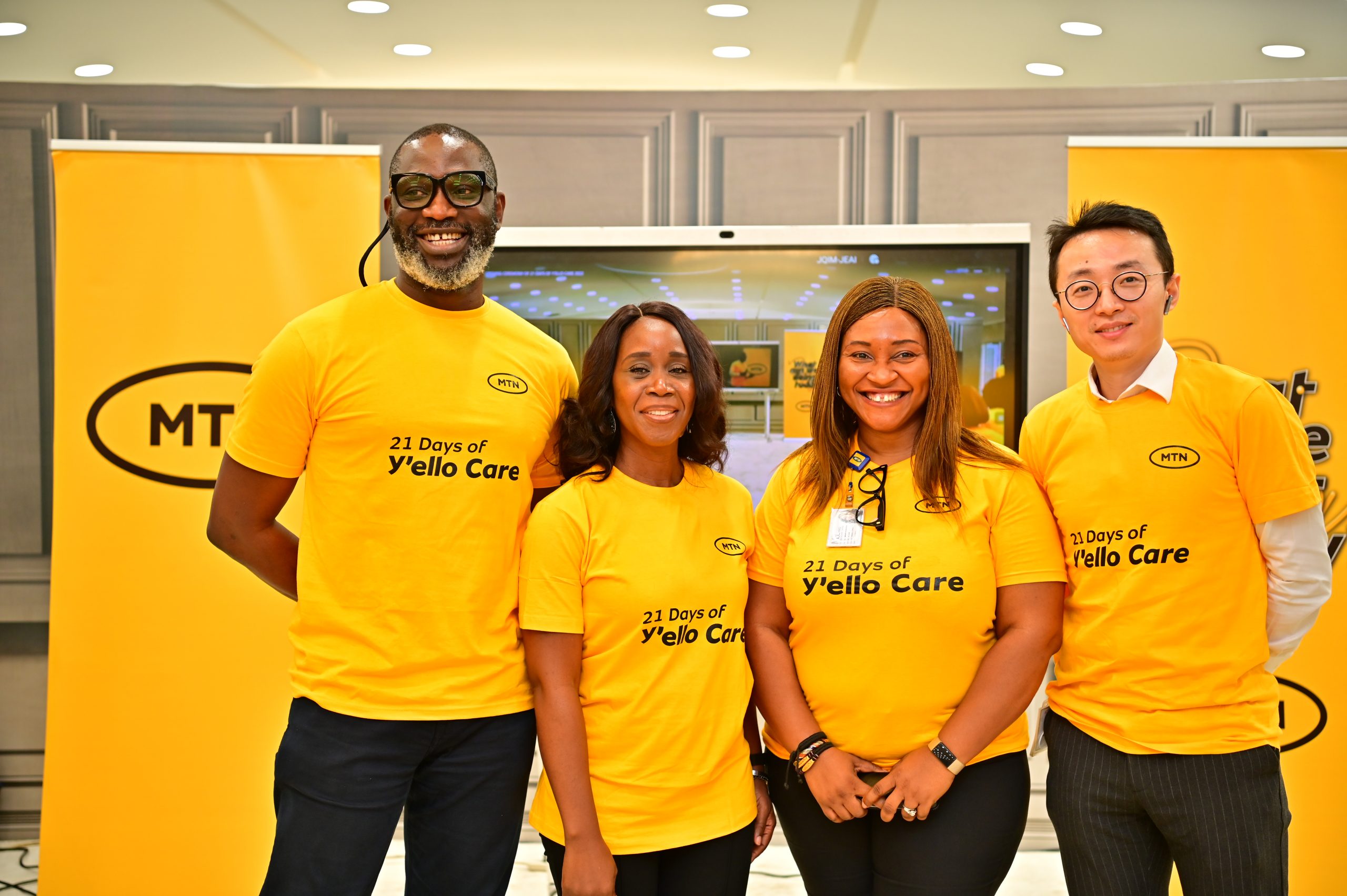
    Every year, MTNers give their time to positively impact people through the Y’ello care initiative. In Nigeria, this week marks the start of another ambitious project following a two-year hiatus occasioned by the COVID-19 pandemic, when the staff had to embrace another volunteer initiative, Y’ello Hope. You may be wondering, what exactly is the Y’ello care initiative all about? We are here to answer that for you!

    Y’ello care is MTN’s annual 21 Days of employee volunteer programme. The programme which runs within the first 21 days in June, aligns with the MTN Philosophy that giving and doing business are simultaneous actions. However, this year’s edition is starting in July.

    Here are 5 other things you should know about the MTN Y’ello Care initiative:

    Building employee volunteering culture

    The Y’ello care initiative is supported by the efforts of employees. They are encouraged to take part in high-impact social projects that strengthen the communities where the company operates. Employees define the social actions they intend to carry out and then materially and personally invest in achieving such projects.

    Differently themed each year

    Each year, the 21 Days of Y’ello Care programme centres on a theme related to education, health, the environment or youth empowerment. This year’s theme is tagged “Empowering Communities to Drive Economic Recovery”. This is in line with MTN’s strategic priority to build digital skills for digital jobs before 2025.

    Y’ello care launched in 2007

    Y’ello care launched in 2007, to give back to communities where MTN operates. Following a two-year hiatus brought on by the covid-19 pandemic, the initiative is currently in its 14th edition.

    Social investment programme for communities

    The MTN Y’ello care initiative is a social investment policy complement embodied by the MTN Foundation. The Foundation’s projects are supported by the efforts of employees, for the economic development of communities.

    Key focus on creating value

    MTN Y’ello care initiative is committed to adding value by contributing to society. Over the years, the initiative has set up a learning resource centre, donated educational learning materials, school libraries, organised career fairs, and many more.

    Simply put, by resuming the Y’ello Care campaign, MTN strives to strengthen and uplift community members in their pursuit of economic development.

  • Feature: Nigeria Should be the Global capital of Bamboo bicycles

    Feature: Nigeria Should be the Global capital of Bamboo bicycles

    by Ayo Akinfe

    I am waiting for one of the 2023 presidential candidates to come up with an audacious plan to make Nigeria the global capital of bamboo bicycles

    [1] Do you know that China, India, the European Union, Taiwan and Japan are responsible for 87% of global bicycle production, churning out about 150m units annually

    [2] As recently as 1965, world production of cars and bikes was essentially the same, with each at nearly 20m but as of 2003, bike production had climbed to over 100m per year compared with 42m cars. With the growing emphasis on the environment, the gulf will only widen

    [3] China generates $3.3bn form, the export of bicycles, while Taiwan earns $1.1bn, the Netherlands $850m and Germany $760m. You not not need me to tell you that Nigeria generates $0.0m from bicycle exports

    [4] With the whole world now moving towards bicycles as as part of the environmental push, bamboo bicycles are growing in popularity daily. Because of its light weight, vibration damping and sustainability, bamboo is slowly starting to be used in bicycle frame production

    [5] Several aspects of bamboo are extremely valuable to both cyclists and bicycle manufacturers. These include high strength-to-weight ratio, vibration control and sustainable growth

    [6] China, Vietnam, Indonesia, Thailand, Denmark, Netherlands, Poland, Germany and Spain are the world’s biggest exporters of bamboo products. How European nations export more bamboo than tropical countries with large rain forests like Nigeria, DR Congo, Ivory Coast, Ghana, etc has got to be one of the biggest mysteries in the world

    [7] In India for instance, their demand for bamboo totals 30m tonnes a year and is expected to grow significantly. So, the Indian government decided to establish the National Bamboo Mission, which in turn set up the Cane and Bamboo Technology Centre, whose task

    [8] In China, there are about 10m bamboo farmers and the industry creates over 35m jobs in the construction, housing, furniture and utensils industry. If you want to see innovation, go to China and see how they are using bamboo to manufacture toilet paper and paper towels

    [9] Globally, the bamboo market is said to be worth about $70bn at the moment and this figure is rising as producers keep coming up with innovative ways of using the plant for new things. In these days of eco-friendly buildings, bamboo is used to construct green hotels and even stadia

    [10] According to Nigeria’s Raw Materials Research and Development Council, Ogun, Oyo, Osun, Ondo, Edo, Delta, Rivers, Akwa-Ibom, Cross-River, Abia, Ebonyi, Enugu, Anambra and Imo states are awash with bamboo. In these states, at least 10% of the natural vegetation is dominated by bamboo with existing clumps showing appreciable gregarious growth that is contiguous over large areas. I look forward to someone coming up with a plan to manufacture a bamboo bicycle plant in one of these states.

  • Feature: Churches need to deploy Security Drones

    by Ayo Akinfe

    With the increasing number of attacks against churches, it is time for general overseers to start exchanging their private jets for drones, which should be deployed to every place of worship on Sundays

    [1] As we prepare for a new government, no matter dominates political discourse in Nigeria today as the growing spate of insecurity across the country. Could it just be that the Fulani have the least hope in Nigeria as they have suffered from the most irresponsible form of leadership with the most hopeless governors, making crime their only way of surviving?

    [2] When one looks at the activities of the herdsmen in the Middle Belt, the kidnapping which has now spread to the southwest, the banditry in Zamfara, Niger and Katsina states and the way armed robbers are operating with impunity along our motorways, one cannot but notice that the criminals perpetuating all of this are Fulani. They are all well armed with AK47s and appear to be quite well organised. They set up camps in the forest, get supplies from somewhere and also manage to communicate effectively, suggesting they have phone masts or satellites

    [3] Now, I have done some research on countries that have faced similar threats in the past where one ethnic group has terrorised the rest of the country and looked at how they went about resolving the issue. In Sudan for instance, it was the Bagara (from the same stock as our Shuwa Arabs) that turned the nation into a den of crime. They formed a militia group called the Janjaweed and launched a reign of terror, doing the government’s dirty work. They executed political opponents in cold blood as the government of President Omar Al-Bashir could not use regular government troops to carry out such nasty tasks

    [4] During World War Two, there was a Croatian militia called the Utashe, that went about murdering innocent Serbs. Allied with the Nazis, the Utashe actually ran concentration camps in the old Yugoslavia. Likewise, in Rwanda, it was a Hutu militia, the Interahamwe, that went about doing the government’s dirty work. They killed about 1m Tutsis, Twa and moderate Hutus

    [5] In East Timor, the Indonesian government used a ruthless militia group called Aitarak to suppress the pro-independence movement in the early 90s but I have checked them out and they were not ethnic. Similarly, the murder squads Pinochet used in Chile were multi-ethnic. In several other countries like Colombia, Brazil and Mexico, the criminal militia gangs appear not to be of any particular ethnic origin

    [6] Now, Nigeria has a problem that so far we have been unable to find an answer to. I have been looking for solutions and so far, only Rwanda, Croatia and Sudan appear to offer answers. In Rwanda, the Interharamwe fled across the border to DR Congo when the Hutu government fell, in Sudan, President Al-Bashir was forced to disarm the Janjaweed after he was indicted by the International Criminal Court (ICC) and in Croatia, a young Croatian internationalist and socialist called Marshal Josip Tito formed a group of Partisans that took on the Utashe

    [7] Essentially, we need to adopt one of these solutions to combat what now appears to be a Fulani crisis. If you ask me, it is pointless asking President Muhammadu Buhari to clampdown on these Fulani militias. His body language is clear for all to see. Being an ethnic Fulani and cattle herdsman himself, President Buhari simply cannot bring himself to take them on. If we want to be fair, this is not unusual, as in Britain in the 1970s, Prime Minister James Callaghan could not bring himself to take on the trade unions being a labour activist himself. This led to massive strikes, the Winter of Discontent and on the back of this, Margaret Thatcher swept to power on 1979, brushing Mr Callaghan’s government aside

    [8] It is pointless and futile throwing stones at President Buhari on this matter. He clearly believes his hands are tied so we need to look for alternative solutions. Maybe the Christian Association of Nigeria needs to step in here. I would suggest that instead of their general overseers buying private jets, they should purchase drones to spot these armed gangs. If we know where all their camps are, I can see people taking mass action to eliminate them

    [9] I also believe that we need to create Fulani anti-herdsmen brigades among the majority of moderate Fulanis to take these criminals on as Marshal Tito did in Croatia. This is already happening in Borno State with the Civilian Joint Task Force. Ordinary moderate Kanuris are taking on Boko Haram and smashing their cells. I fail to see why this model cannot be replicated elsewhere

    [10] At its next meeting the Christian Association of Nigeria should pass a resolution making it compulsory for every church to have a surveillance drone. General overseers should be taxed to pay for them if any church cannot afford one

  • Feature: Sir Jimi Solanke @80, “Our Evergreen FolkMaster”

    Feature: Sir Jimi Solanke @80, “Our Evergreen FolkMaster”

    By Bimbo Esho

    Born July 4, 1942, Olujimi Solanke, a native of Ipara Remo, the Baba Agba, African culture ambassador extraordinare, trained at the University of Ibadan, School of Drama and began his professional acting career in 1961 as one of the pioneer members of the Orisun Theatre Group founded by Wole Soyinka. His father, Alfred Tayo was a chief in Remoland like his grandfather. Both were Lisa, next person to the Paramount ruler, reason Jimi’s middle name is Adeboye.

    His seven decades, as veteran of varied exposures, experiences and impacts in the global entertainment industry resonate in many broadcast stations, countries and festivals. His epic performances at the Western Nigeria Television, WNTV, Ibadan in the 1960’s; to his stunning presentations and amazing stagecraft in Senegal at the World Festival of Negro Arts and Algeria for the Pan – African Cultural Festival in the 1970s attest his hot passion and theatrical brilliance. He has featured in great epics like Death and the King’s Horseman, Kurunmi, Kongi’s Harvest, The Divorce and Ovaramwen Nogbaisi, a performance that turned him into an immediate resident of Benin City for five years on royal.

    Described in 1970, while on tour of Europe by the Oxford Times, as a “Skilled Nigerian Actor” and by the New York Times as star of an “Excellent Troupe” in the Performance of Wole Soyinka’s Kongi’s Harvest. Baba Agba, as he is fondly called is recognised as “a better singer than actor”. He however sees himself entrenched in both and calls himself an ” actor-singer ” because ” when I sing, I act and when I act, I am musical in delivery says Baba Agba.

    For fact , he is a consummate quintessential songwriter, actor, performer, visual artist, poet and storyteller extraordinaire. With his booming endowment (Gift of Voice), Baba Agba rings out folktales in enchanting sonorous voice backed with gesticulations and mimicry to pass messages. He sings in different golden tones passionately. His voice is discerned with enthused acknowledgment. When he dances, his whole body is taken into creative expressions. Today @80 he says “my fear with dance is that the bones inside my body are already complaining, so, I dance like an elder”. He selects the songs he sings, chooses roles he played and does not believe in counting them. He characteristically holds audiences captive in Africa, Europe, America, Asia and the Middle East. He set the Cranston Hall, US on fire in 1977 performance and has toured Nigeria with many global musicians, including Chubby Checker of Twist fame and Millicent Small of Rock Steady. He was with Ralph MacDonald, the lead voice in the chartbuster, Ona La, The Path, the song used a year later to open the famed Apollo Theatre, in New York. “I take my profession , music, theatre, dance, seriously, I interpret roles painstakingly”, he enthused the secret behind his ardor.

    Sir Solanke’s foray into musical entertainment blossomed while he was a student at Odogbolu Grammar School, Remo in Ogun State. Together with his friends, he formed a band, Koroba. They turned their steel buckets into musical instruments to perform sundry folk songs. He wrote songs like onile gogoro, Ore Titan, Na Today You Come, Khaki No Be Leather while in secondary school for the then Highlife music Legend, Roy Akintola Chicago. He often sneaked to Abalabi Nite Club at Olorunsogo in Lagos to sing with Roy Chicago’s Band. He also featured in the band of other great Highlife veterans like Eddy Okonta and Chris Ajilo.

    To his credit he has popular folk songs like Baba Agba, Bare Ni Joye, Osupa, Oil Boom Palava, Bi a ba Jeko, Gbangba Kedere Eko, Ojoje, E je Kajo etc

    Sir Jimi Solanke is a highly disciplined, focused and principled entertainer. He is blessed with lovely children and a beautiful wife whom he fondly calls TOY coined from her name Toyin.

    Happy Birthday once again to Baba Agba.

  • Feature: Lessons from Vladimir Putin for Nigeria’s Next President

    Feature: Lessons from Vladimir Putin for Nigeria’s Next President

    by Ayo Akinfe

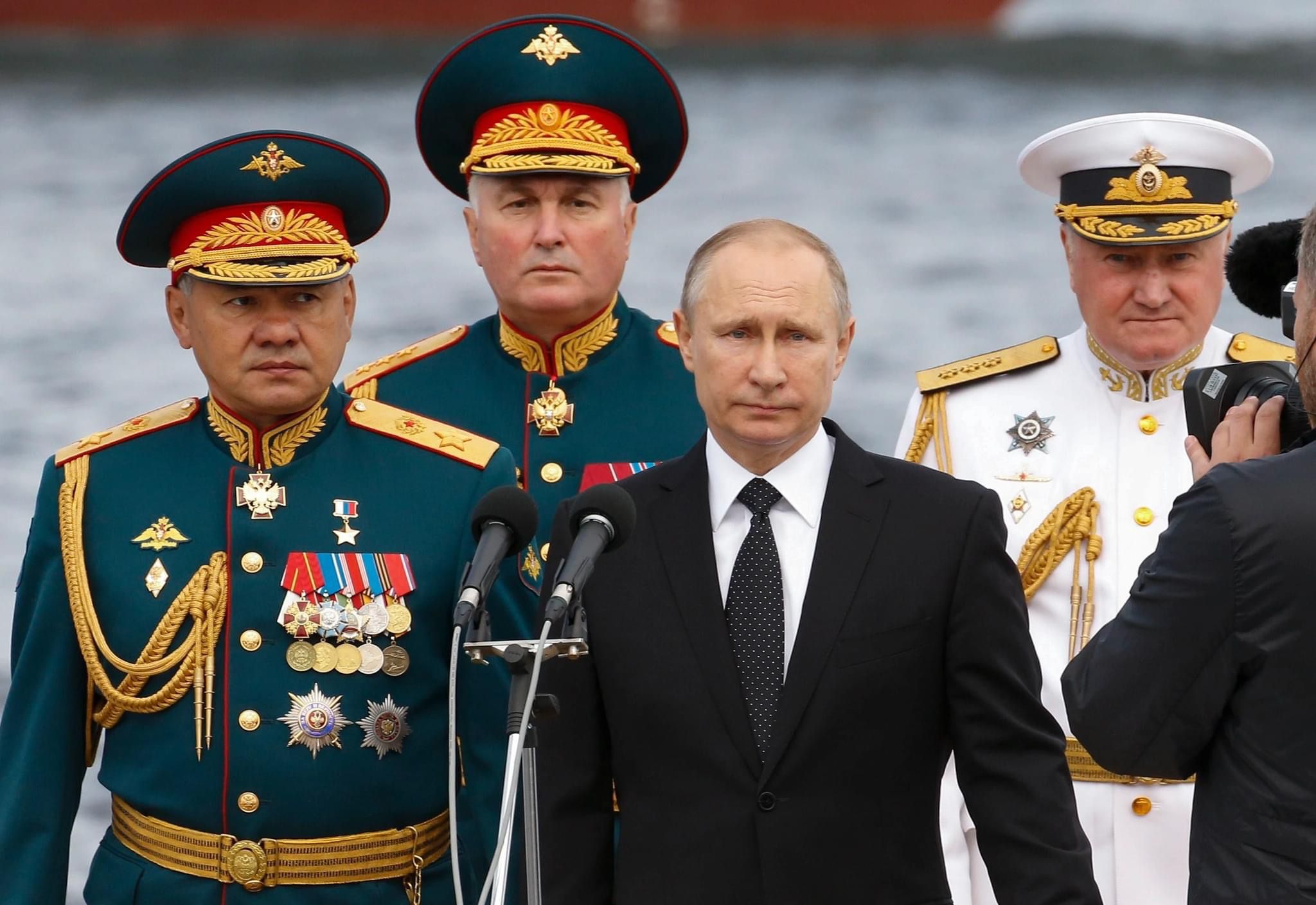
    I hope Nigeria’s next president is watching Vladimir Putin very closely as whether we like it or not, we need to learn a few lessons from him

    [1] I have been wracking my brain endlessly trying to figure out how Nigeria addresses her $100bn annual infrastructure deficit and alas, I can only come up with one solution – Putinomics!

    [2] Putinomics is basically what you could term forced local direct investment (FLDI). It involves the president telling Russia’s wealthy citizens, who we know as the oligarchs, that they must invest in the country’s infrastructure

    [3] Vladimir Putin makes no pretences when he wants these oligarchs to invest in Russia. He calls them to a meeting in the Kremlin and reads them the riot act. He will tell them for instance that Russia needs to invest $2bn in a new seaport and they must fund it. He will give them say three months to come up with the cash

    [4] Because most of these oligarchs made their wealth by buying state assets at bargain basement prices, they know they are beholden to the state. They are also still dependent on state contracts and government patronage to survive, so are vulnerable to Putin’s sanctions

    [5] Nigerian millionaires have an identical history. They mainly owe their wealth to oil blocks, government contracts, blatant corruption or the purchase of state assets at ridiculous prices. If the presidency withdraws its support for them, they are nothing. Nigeria’s president needs to start using this leverage

    [6] Nigeria has a paltry national budget of about $30bn but according to the African Development Bank, the country needs to invest $100bn in infrastructure annually. It is simply utopian to think that the Nigerian government can fund the construction of roads, housing estates, a railway network, power plants, hospitals, schools, etc from its meagre budget

    [7] It is also delusional to think that foreign direct investment (FDI) can develop Nigeria’s infrastructure. Yes, Nigeria has seen over $1trn in FDI some years but less than 10% of it is actual capital investment. The bulk of this is finance capital brought in by hedge funds and institutional investors seeking to cash in on Nigeria’s high interest rates. It is not going towards the much-needed infrastructure

    [8] Because Nigeria has interest rates that can be as high as 25%, it is easy to invest cash in a Nigerian high-interest savings account for a year and make a killing. Many offshore funds do this but hey, the country benefits very little from it as they do not build factories, employ many people, invest in infrastructure or in many cases, even have offices in Nigeria. What we need is industrial capital that will invest in fixed assets, not this highly mobile finance capital that is very short-term

    [9] Now, if say Nigeria needs to invest $30bn in a rail network, $20bn in power plants, $10bn in port development, $10bn on roads, $10bn in low-cost housing estates, $10bn in hospitals and $10bn in urban regeneration, where is the capital going to come from? What we need is for our president to give Nigeria’s oligarchs like Dangote, Otedola, Ubah, Alakija, Adenuga, etc annual investment targets. Those who fail to meet their targets should no longer get government patronage. By the time the president pulls the plug on two or three of their businesses as Putin regularly does, they will get the message

    [10] Our religious oligarchs like Adeboye, Oyedepo, Ashimolowo, Okotie, Oritsejafor, etc, should also be given strict FLDI targets. Anyone who fails to meet them should face noise pollution charges, their churches taxed as businesses and erring branches closed down. It is time to force the pace of development!

    I await a better suggestion but for now, Putinomics is the only solution I see in the horizon. It is FLDI or death!

  • Feature: Proposed healthcare Plan for the next Nigerian President

    Feature: Proposed healthcare Plan for the next Nigerian President

    By Ayo Akinfe

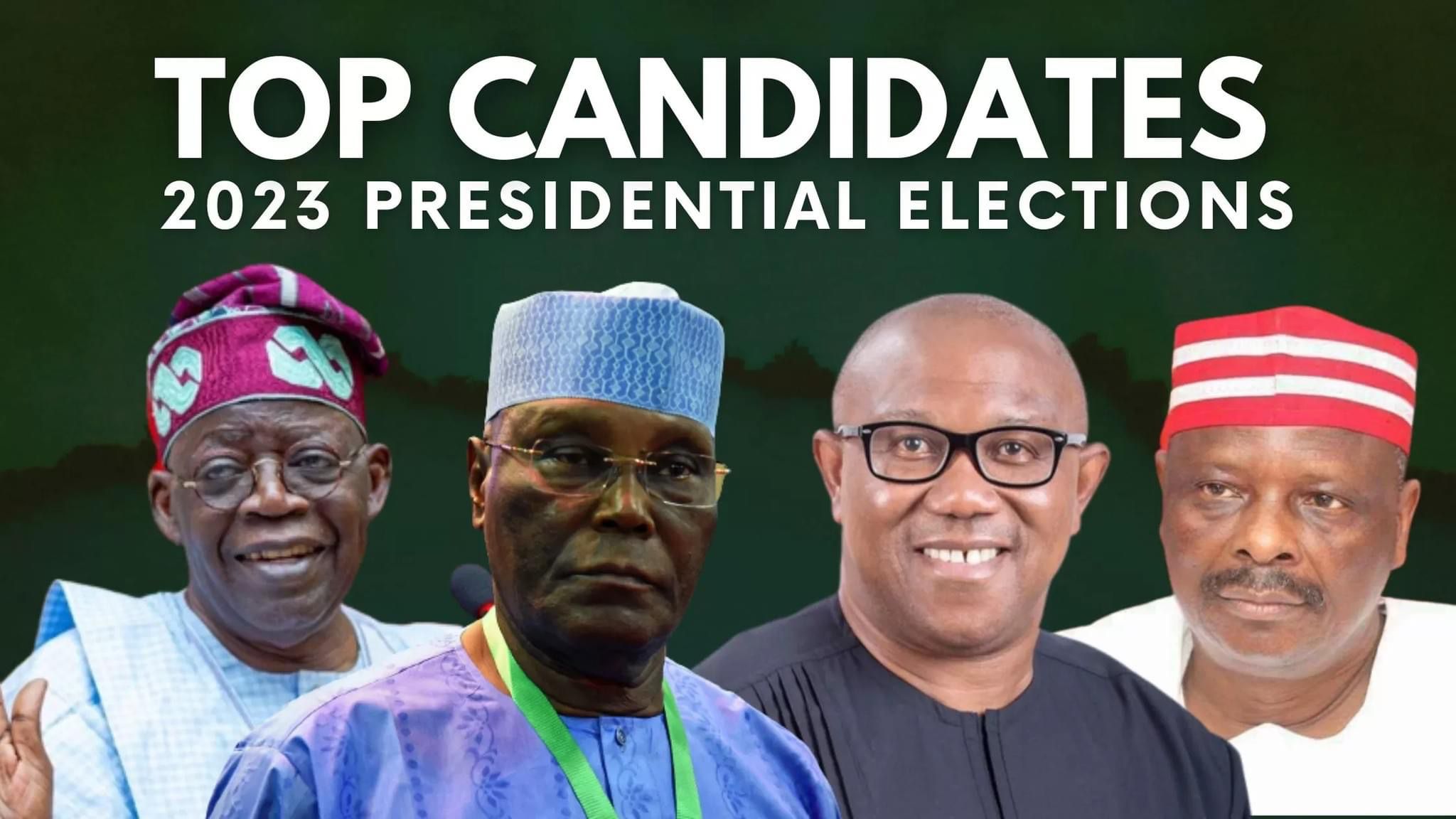
    In response to the Ekweremadu organ harvesting saga, I expect the four leading presidential candidates to come out with a healthplan like this that will eliminate the scourge from our society.

    [1] We live in a country whereby Nigerian general hospitals lack beddings, drugs and are characterised by filthy wards. To make matters worse, they are manned by unmotivated staff and of course our hospitals suffer from regular power cuts

    [2] In the 1970s, under the Murtala/Obasanjo regime, there was a policy to municipalise healthcare by having one general hospital in each local government area. Maybe if that policy had been continued and backed up with funding, we might not have our current healthcare crisis

    [3] Nigeria currently has 774 local government areas. If each one had a well funded general hospital, we would effectively by home and dry. I believe this is something we can fund through the existing budget if we want to.

    [4] At the moment, Nigeria has 1.67 hospital beds per 1,000 patients compared with say six on Indonesia, 3.48 in Zambia, 3.35 in the Democratic Republic of Congo and the sub-Saharan average of 2.93. I want to see the 2023 presidential candidates pledge to halving that figure over an eight year period

    [5] As things stand, we appear not really interested in healthcare, as we are somewhat content to leave this to the private sector. Unfortunately, private clinics are beyond the reach of most ordinary Nigerians. When you earn N30,000 a month, paying for healthcare simply cannot feature on your household budgetary plans. By the time you pay for food, housing, transport, your tithes and clothing, you will be penniless, talk less not of school fees

    [6] Nigeria’s total annual budget is about $30bn, of which health accounts for less than 3%. In 2019 for instance, of the total N8.83trn budget, only N315bn or 2.78% went on healthcare. This is totally unacceptable as it actually breaches a commitment Nigeria made to the rest of the world, pledging 15% of her budget to healthcare

    [7] In 2001, Nigeria hosted the African Union heads of state where they all signed the Abuja Declaration, under which the leaders pledged to commit at least 15% of their annual budgets to improving the health sector. Since the declaration, Nigeria has never voted more than 6% of its annual budget to the health sector. Sadly, the highest percentage of the budget dedicated to health since the declaration was in 2012 when 5.95% was allotted to the sector

    [8] South Africa spends 7.44% of its budget on health. In Brazil it is 8.9% and in Mexico it is 5.8%. These are the standards in other developing nations we need to match

    [9] Do you know that 75% of all health spending in Nigeria is private? Apparently, Nigeria spends comparatively less on health than other African countries because of low government spending in general according to Dr. John Ataguba, a health economics researcher at the University of Cape Town. I agree with him, when your total annual budget for 200m people is a paltry $30bn, you are doomed. Just to put everything into context, the British NHS spends about $155bn on health in England alone annually.

    [10] Bear in mind that health is not considered a basic need like food, clothing and shelter. It thus gets relegated to the background. I have not even delved into specialist secondary healthcare and the need for dedicated cardiac, renal, eye, dermatology, etc specialist hospitals as we are still struggling with primary healthcare. If we want to end the organ harvesting saga, we simply need to invest in healthcare!

  • Feature: 10 Things Nigerian Government Should do to End Organ Harvesting

    Feature: 10 Things Nigerian Government Should do to End Organ Harvesting

    by Ayo Akinfe

    10 things the Nigerian government needs to do if it wants to bring about an end to the booming organ harvesting industry the country

    [1] 12 specialist hospitals shall be built in Nigeria with two in each geo-political zone. These shall include – Dermatology, optometrics, renal failure, cardialogy, neurology, ear/throat/nose, cancer, HIV/AIDS, orthopedia, rheumatics, tropical diseases and sickle cell anaemia

    [2] Pharmaceutical companies will be given 10 year tax holidays if they establish manufacturing facilities in Nigeria

    [3] Each of Nigeria’s 774 local governments must have at least two general hospitals

    [4] Healthcare will be free at the point of delivery to all Nigerians

    [5] Every state government must have at least one mobile clinic which visits remote and inaccessible areas

    [6] A national target of 20 minutes waiting time shall be established for all ambulance services

    [7] Nigeria shall spend 10% of its GDP on healthcare

    [8] State governments who build specialist hospitals in new areas will be given special grants

    [9] A national target of producing 20,000 doctors a year shall be aimed for

    [10] Medical equipment manufacturers will be given a five year tax holiday if they establish plants in Nigeria